



ORDER LINK:
https://tinyurl.com/3tjv5up6
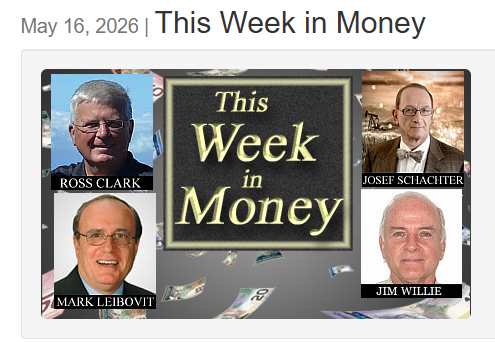
https://www.howestreet.com/2026/05/oil-gold-silver-energy-iran-commodities-inflation-josef-schachter-mark-leibovit-jim-willie-ross-clark-this-week-in-money/

A couple important things.
One technical service generated a 95 down number for the Dow Industrials Friday night.
When NYSE Margin Debt is 55% or greater than the number 12 months prior, a bear market decline begins 6 to 9 months later or so. This was originally discovered by IBD. The information is only released monthly and last month’s margin debt was just released. It is now 53.34% greater than the number 12 months ago.
It was 55% or greater in 1987, 2000, 2007, 2021 ….. and now close to the 55%.
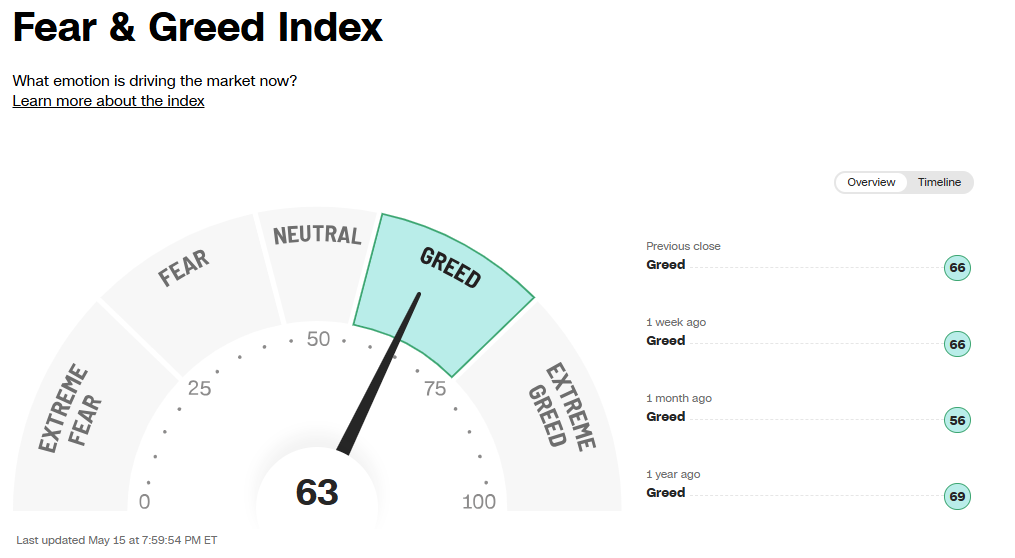
Is 53.34% close enough. I’d lean to yes. It means that there are investors with significantly more margin than there was 12 months ago. So it means the market is very frothy.
It does NOT mean a bear market will start now.
It is likely to begin 6 to 9 months or so from now.
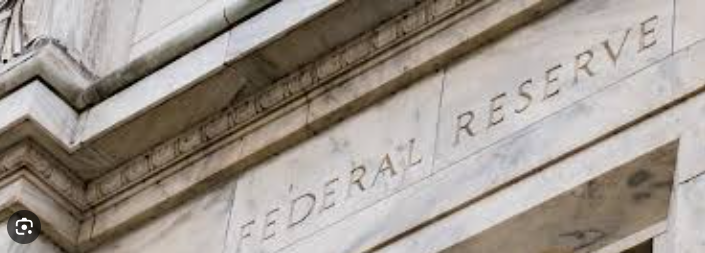
This week saw Jerome Powell give up his crown but insist on still lurking in the cloakroom. Fittingly, inflation returned drunk and ugly to the party, just to remind us what Powell wrought. The American manufacturing sector, however, is booming—and not just because everything is so artificial and intelligent. Also, Mickey Mouse flew too close to the sun.
The policy priorities of the newly confirmed Federal Reserve Chair, Kevin Warsh, center on a platform of “regime change” designed to restructure the central bank, narrow its mandate, and shrink its footprint in the U.S. economy.Following one of the closest confirmation votes in modern history, Warsh takes leadership of the Federal Reserve with several core initiatives:1. Reforming Inflation Measurement and TargetsStrict 2% Target: Warsh is a vocal critic of the Fed’s 2020 “flexible average inflation targeting” policy. He wants to abandon this approach—which allows inflation to temporarily overshoot the target—and return to a strict, non-negotiable 2% objective.Trimmed Inflation Metrics: He has argued that the standard Personal Consumption Expenditures (PCE) index is too rough a gauge. He advocates for using “trimmed averages” and median inflation measures that remove outlier data, believing they show a truer, cooler picture of underlying price pressures.AI and Productivity: Warsh posits that rapid adoption of artificial intelligence will significantly boost productivity, serving as a disinflationary force that can help expand the economy without triggering runaway inflation.2. Aggressive Balance Sheet ReductionShrinking the $6.7 Trillion Footprint: Warsh believes that quantitative easing (QE) and massive asset holding distort asset pricing and blur the lines of central bank independence.Selling Off MBS: He plans to systematically shrink the Fed’s balance sheet, with a specific focus on offloading up to $2 trillion in mortgage-backed securities (MBS). He intends to pivot the Fed back toward relying on interest rates as its primary monetary tool.3. “Regime Change” in CommunicationsEnding Forward Guidance: Warsh intends to stop the practice of “telegraphing” future interest rate decisions to Wall Street ahead of time.Scrapping the Dot Plot: To reduce what he calls the “cacophony” of conflicting public statements from Fed officials, Warsh wants to eliminate the quarterly “dot plot”—the visual chart mapping out individual policymakers’ projected interest rate paths.4. Narrowing the Fed’s Scope & Protecting IndependenceCore Dual Mandate: Warsh has stated the Fed drifted too far into social and political issues. He favors a strictly narrower focus on its core congressional mandates: price stability and maximum employment. He explicitly rejects using the central bank to address climate change or DEI (Diversity, Equity, and Inclusion) initiatives.No Retail CBDC: He opposes the creation of a retail central bank digital currency (CBDC) for everyday citizens, though he has historically supported exploring digital currencies strictly for “wholesale” interbank settlement.The Monetary Policy ConundrumWhile Warsh has historically been viewed as a monetary “hawk” focused on keeping interest rates high to choke out inflation, his recent positions have aligned more closely with the Trump administration’s preference for lower interest rates. He has argued that a smaller Fed balance sheet, coupled with supply-side deregulation and federal spending cuts, could safely clear the path for rate reductions.However, his immediate implementation of these priorities faces friction. He takes office at a time when the Middle East conflict has spiked oil costs and April inflation reports came in hotter than expected, leading market strategists to project that the broader FOMC committee may hold interest rates steady for the remainder of 2026.17 sitesFederal Reserve (.gov)Powell will serve as chair pro tempore until Kevin M. Warsh is sworn in as …Federal Reserve Board names Jerome H. Powell as chair pro tempore; Powell will serve as chair pro tempore until Kevin M. Warsh is …CNBCKevin Warsh wins Senate confirmation as the next Federal Reserve chairKevin Warsh was confirmed Wednesday as the next Federal Reserve chair, in a 54-45 vote that was the closest in the modern era. Pre…Al JazeeraKevin Warsh confirmed as new US Federal Reserve chair amid …Kevin Warsh confirmed as new US Federal Reserve chair amid controversy. Senate confirms Trump pick Kevin Warsh as Federal Reserve
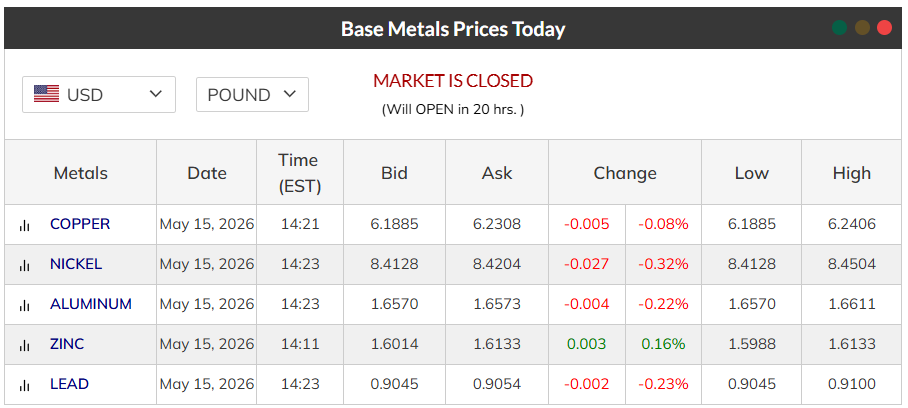
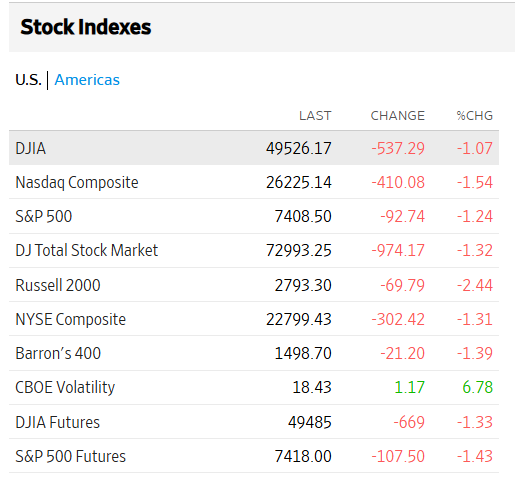


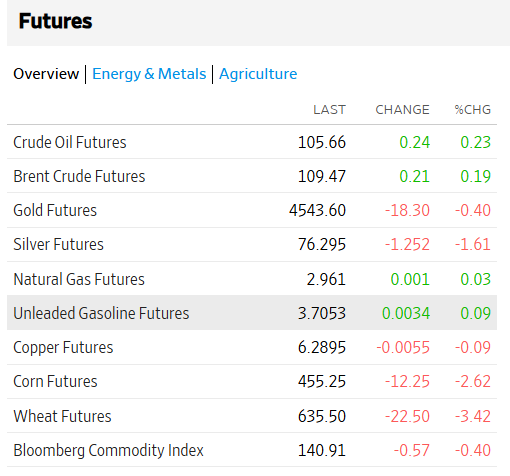
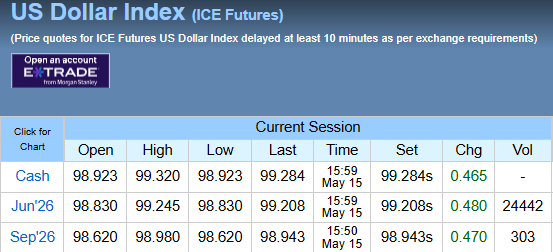

https://tinyurl.com/5n6tk37k
MAY 18, 2026 UPDATE BELOW BUT USE THE LINK FOR A MORE CURRENT UDPATE
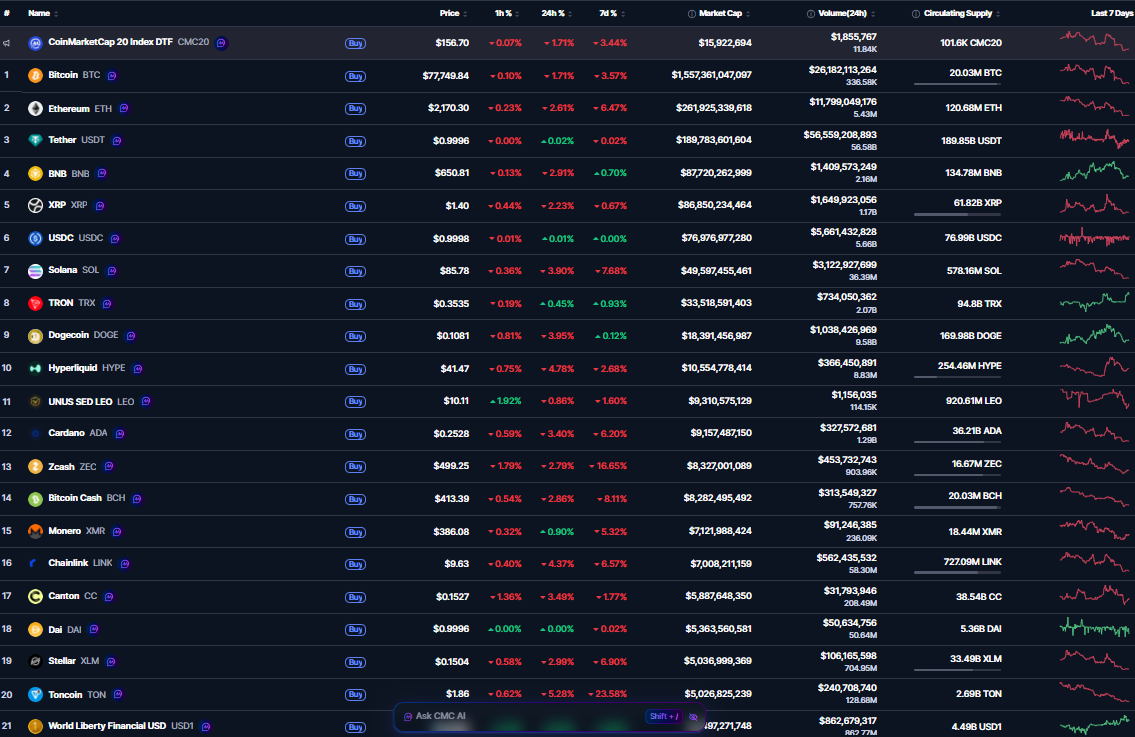
https://coinmarketcap.com/

The 2026 FIFA World Cup could become one of the biggest beer-selling events ever in North America because the tournament is being hosted by the U.S., Mexico, and Canada — with 104 matches instead of the traditional 64. That means a much longer viewing calendar, more fan festivals, more bar traffic, and significantly higher at-home consumption.
For Constellation Brands (ticker: STZ), the event is potentially a major catalyst because the company controls U.S. distribution rights for:
Modelo
Corona
Pacifico
Victoria and other Mexican import beers
The key point: soccer and Mexican beer brands are culturally tied together in the U.S. Hispanic market and increasingly with mainstream American sports fans.
A few important developments:
Modelo has already launched major soccer-focused campaigns and increased its U.S. soccer marketing investment by 125% ahead of the World Cup.
Grupo Modelo in Mexico expects massive World Cup beer demand across stadiums, fan zones, and public viewing events.
Beer companies broadly see the World Cup as a chance to reverse slowing U.S. beer consumption trends.
The bullish argument for STZ specifically:
Modelo remains one of the strongest beer brands in America
Modelo became the top-selling beer in the U.S. by dollar sales and remains exceptionally strong among younger consumers and sports viewers.
Soccer demographics overlap perfectly with Constellation’s core customer
The World Cup audience heavily overlaps with:
Hispanic consumers
younger legal-drinking-age consumers
sports-viewing social occasions
outdoor summer consumption
That directly favors Modelo and Corona.
The tournament is in Constellation’s home market
Unlike Qatar 2022, where alcohol restrictions hurt stadium beer sales, the U.S./Mexico/Canada format should create:
huge bar viewing traffic
tailgating
watch parties
airport/hotel consumption
retail beer stocking surges
Non-alcoholic beer could also benefit
After Qatar restrictions forced FIFA sponsors toward alcohol-free offerings, brands like Corona Cero gained visibility. Non-alcoholic beer has reportedly been growing around 30% annually.
But there are also important caveats for STZ investors:
Constellation has recently warned that beer sales have weakened because of economic pressure on Hispanic consumers, immigration fears, and lower discretionary spending.
Beer consumption overall in America has been soft.
Tariffs and aluminum packaging costs are pressuring margins.
Other beer names likely benefiting:
Anheuser-Busch InBev (Budweiser, Michelob Ultra)
Molson Coors
Heineken
CLARITY ACT:
Senate Banking Committee advanced the bill
On May 14, the Senate Banking Committee voted 15–9 to advance the Digital Asset Market CLARITY Act toward a full Senate vote. Importantly, the vote was bipartisan, with at least two Democrats joining Republicans in support.
That was the major headline this week.
What the bill is trying to do
The CLARITY Act is designed to finally define:
- which digital assets are securities (SEC oversight),
- which are commodities (CFTC oversight),
- and how crypto exchanges, brokers, custodians, and stablecoin-related businesses should operate legally in the U.S.
The bill is viewed by the industry as an attempt to end the long-running “regulation by enforcement” era that existed under prior SEC actions.
Stablecoin compromise was critical
One of the major sticking points had been stablecoin “yield” or interest payments.
A bipartisan compromise reportedly helped break the deadlock:
- passive interest on idle stablecoin balances would be restricted,
- but rewards tied to activity/usage could still be allowed.
That compromise appears to have helped regain support from major crypto companies and some moderate Democrats.
Crypto-related stocks rallied
After the committee vote:
- Coinbase shares jumped,
- crypto sentiment improved,
- and digital asset markets initially rallied.
Later in the week, however, some of those gains faded as traders appeared to “sell the news” and broader market weakness hit risk assets.
Political and lobbying pressure intensified
This week also exposed how controversial the bill still is:
- banking groups reportedly pushed hard against parts of the stablecoin framework,
- some Democrats raised ethics and anti-money-laundering concerns,
- and critics argued the legislation could favor large crypto firms too heavily.
What happens next
The bill is NOT law yet.
Next steps:
- Senate versions from different committees must be reconciled.
- The full Senate must vote.
- The Senate version must be reconciled with the House-passed version.
- Then it would go to the President.
At the moment, this week’s committee approval is being viewed as the strongest momentum crypto legislation has had in years.
Why markets care
If eventually passed, the CLARITY Act could:
- give institutional investors more confidence,
- reduce SEC/CFTC confusion,
- encourage more U.S.-based crypto development,
- and potentially benefit exchanges, custodians, token issuers, and parts of the stablecoin ecosystem.


https://tinyurl.com/mwhxpawn
https://www.youtube.com/watch?v=Lb_1d68vx-g
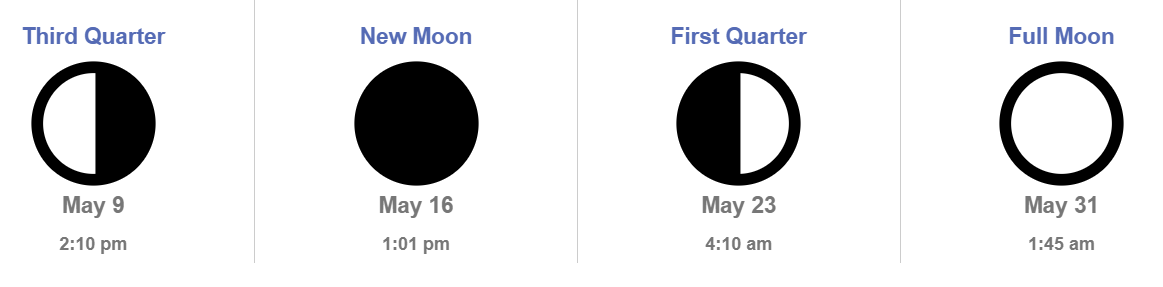
WATCH LUNAR DATES FOR POSSIBLE CHANGE OF DIRECTION TIMES IN ALL MARKETS GIVE OR TAKE A COUPLE OF DAYS


What Is El Niño?
El Niño–Southern Oscillation
El Niño occurs when waters in the central and eastern tropical Pacific Ocean become unusually warm.
That warm water changes global wind patterns and jet streams, which then affects weather all over the planet.
Typical El Niño effects:
- Warmer global temperatures
- More flooding rains in parts of the Americas
- Drier conditions in Australia and Southeast Asia
- Often fewer Atlantic hurricanes
- Sometimes weaker monsoons in Asia
- Can boost winter storms in parts of the southern U.S.
For investors and commodity traders, El Niño can affect:
- Agriculture
- Energy demand
- Soft commodities (coffee, cocoa, sugar)
- Natural gas
- Insurance losses
- Shipping patterns
What Is La Niña?
La Niña
La Niña is basically the opposite phase.
The same Pacific waters become cooler than normal.
Typical La Niña effects:
- Cooler global average temperatures
- More Atlantic hurricanes
- Wetter Australia and Indonesia
- Drier U.S. Southwest
- Often colder northern U.S. winters
- Can strengthen trade winds and alter fisheries
La Niña tends to increase weather extremes in different regions than El Niño.
Simple Analogy
Think of the Pacific Ocean as a giant bathtub influencing Earth’s atmosphere.
- El Niño = the bathtub warms up
- La Niña = the bathtub cools down
That temperature shift changes air circulation worldwide.
What Makes This Article Different?
Normally, El Niño and La Niña are explained through ocean-atmosphere physics alone:
- trade winds
- ocean currents
- sea surface temperatures
- pressure systems
But this article suggests a possible solar connection.
Specifically:
The researchers claim that a solar magnetic transition event called a:
Solar Terminator Event
may help predict ENSO shifts.
What Is the “Terminator”?
According to the article:
- The Sun has magnetic cycles (~11 years)
- A “Terminator” marks the end of one solar cycle and the start of another
- The researchers noticed:
- ENSO shifts often happen near these events
- El Niño may appear about 5 years afterward
They say:
- Terminator occurred in December 2021
- Therefore a major El Niño could emerge in 2026
The article also mentions:
- Earlier predictions correctly anticipated a “triple-dip” La Niña
- Researchers now think geomagnetic activity may matter more than cosmic rays
Important Scientific Context
This is still considered highly speculative by much of the climate science community.
The standard explanation for ENSO remains:
- ocean heat transport
- atmospheric circulation
- Pacific trade winds
The proposed solar connection is intriguing because:
- some predictions have worked
- correlations appear statistically interesting
But scientists still do not know the physical mechanism.
The article itself acknowledges this.
Correlation does not yet prove causation.
Why Traders Watch El Niño Closely
Because strong El Niño events historically move markets.
Examples:
- Agricultural supply shocks
- Energy demand changes
- Higher insurance claims
- Weather-driven commodity spikes
- Fisheries disruptions
- Transportation bottlenecks
The famous 1997–98 El Niño caused enormous global economic impacts.


MY CURRENT BOOK LIST:


THE CASE FOR ABOLISHING THE FED
G EDWARD GRIFFIN

https://www.youtube.com/watch?


INSTEAD OF WORRYING ABOUT J POWELL OR KEVEN WALSH WE SHOULD BE ABOLISHING THE INSTITUTION WHICH AS USURPED POWER FROM THE TREASURY SINCE ITS CREATION IN 1913 AND PRECIPATED NUMEROUS RECESSIONS AND EVEN RAISED INTEREST RATES FOLLOWING THE 1929 STOCK MARKET CRASH. WHAT THE HELL ARE WE WAITING FOR?


METASTOCK ADD-ON INDICATOR AVAILABLE AT METASTOCK.COM

https://www.metastock.com/products/thirdparty/?3pc-add-vris
WHO IS MARK LEIBOVIT?
MARK LEIBOVIT is Chief Market Strategist for LEIBOVIT VR NEWSLETTERS a/k/a VRTrader.Com. His technical expertise is in overall market timing and stock selection based upon his proprietary VOLUME REVERSAL (TM) methodology and Annual Forecast Model.
Mark’s extensive media television profile includes seven years as a consultant ‘Elf’ on “Louis Rukeyser’s Wall Street Week” television program, and over thirty years as a Market Monitor guest for PBS “The Nightly Business Report”. He also has appeared on Fox Business News, CNBC, BNN (Canada), and Bloomberg, and has been interviewed in Barrons, Business Week, Forbes and The Wall Street Journal and Michael Campbell’s MoneyTalks.
In the January 2, 2020 edition of TIMER DIGEST MAGAZINE, Mark Leibovit was ranked the #1 U.S. Stock Market Timer and was previously ranked #1 Intermediate U.S. Market Timer for the ten year period December, 1997 to 2007.
He was a ‘Market Maker’ on the Chicago Board Options Exchange and the Midwest Options Exchange and then went on to work in the Research department of two Chicago based brokerage firms. Mr. Leibovit now publishes a series of newsletters at www.LeibovitVRNewsletters.
Mr. Leibovit’s specialty is Volume Analysis and his proprietary Leibovit Volume Reversal Indicator is well known for forecasting accurate signals of trend direction and reversals in the equity, metals and futures markets. He has historical experience recognizing, bull and bear markets and signaling alerts prior to market crashes. His indicator is currently available on the Metastock platform.
His comprehensive study on Volume Analysis, The Trader’s Book of Volume published by McGraw-Hill is a definitive guide to volume trading. It is now also published in Chinese. Mark has appeared in speaking engagements and seminars in the U.S. and Canada.


Yes, that’s a cartoon of me. Louis Rukeyser had us dressed up in ‘elf’ costumes on the screen broadcast each week. I’ve dated myself. That occurred for me between 1988-1996. Lou didn’t like any bearish comments, so myself and other elves got dumped in 1996.
I APPEARED AS A GUEST PANELIST WITH LOUIS RUKEYSER ONE MONTH BEFORE IN MID-SEPTEMBER 1987!

DISCLAIMER:
WE ARE NOT FINANCIAL ADVISORS AND DO NOT PROVIDE FINANCIAL ADVICE
The website, LeibovitVRNewsletters.com, is published by LeibovitVRNewsletters LLC.
In using LeibovitVRnewsletters.com (a/k/a LeibovitVRNewsletters LLC) you agree to these Terms & Conditions governing the use of the service. These Terms & Conditions are subject to change without notice. We are publishers and are not registered as a broker-dealer or investment adviser either with the U.S. Securities and Exchange Commission or with any state securities authority.
All stocks and ETFs discussed are HYPOTHETICAL and not actual trades whose actual execution may differ markedly from prices posted on the website and in emails. This may be due internet connectivity, quote delays, data entry errors and other market conditions. Hypothetical or simulated performance results have certain inherent limitations as to liquidity and execution among other variables. PAST RESULTS ARE NOT NECESSARILY INDICATIVE OF FUTURE FORECASTING ACCURACY OR PROFITABLE TRADING RESULTS.
All investments are subject to risk, which should be considered on an individual basis before making any investment decision. We are not responsible for errors and omissions. These publications are intended solely for information and educational purposes only and the content within is not to be construed, under any circumstances, as an offer to buy or to sell or a solicitation to buy or sell or trade in any commodities or securities named within.
All commentary is provided for educational purposes only. This material is based upon information we consider reliable. However, accuracy is not guaranteed. Subscribers should always do their own investigation before investing in any security. Furthermore, you cannot be assured that your will profit or that any losses can or will be limited. It is important to know that no guarantee of any kind is implied nor possible where projections of future conditions in the markets are attempted.
Stocks and ETFs may be held by principals of LeibovitVRNewsletters LLC whose personal investment decisions including entry and exit points may differ from guidelines posted.
LeibovitVRNewsletters.com cannot and do not assess, verify or guarantee the suitability or profitability of any particular investment. You bear responsibility for your own investment research and decisions and should seek the advice of a qualified securities professional before making any investment. As an express condition of using this service and anytime after ending the service, you agree not to hold LeibovitVRNewsletters.com or any employees liable for trading losses, lost profits or other damages resulting from your use of information on the Site in any form (Web-based, email-based, or downloadable software), and you agree to indemnify and hold LeibovitVRNewsletters.com and its employees harmless from and against any and all claims, losses, liabilities, costs, and expenses (including but not limited to attorneys’ fees) arising from your violation of this agreement. This paragraph is not intended to limit rights available to you or to us that may be available under the federal securities laws.
For rights, permissions, subscription and customer service, contact the publisher at mark.vrtrader@gmail.com or call at 928-282-1275 or mail to 10632 N. Scottsdale Road B-426, Scottsdale, AZ 85254.
The Leibovit Volume Reversal, Volume Reversal and Leibovit VR are registered trademarks.
© Copyright 2026. All rights reserved.
