


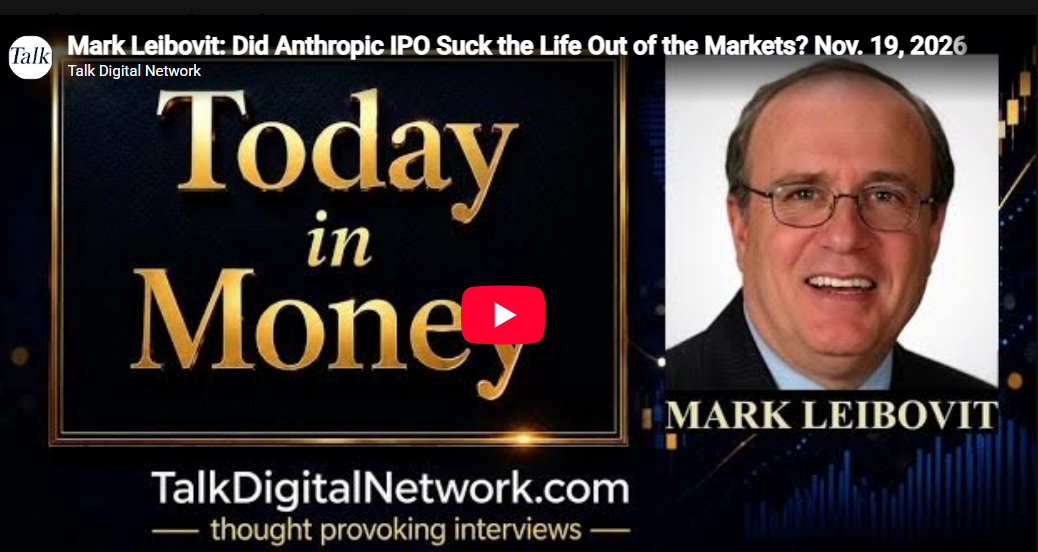
https://tinyurl.com/4wzxcy8d

AM MARKET UPDATE & OUTLOOK
Friday, November 20, 2026
WALL STREET PLUNGES AS RECORD ANTHROPIC IPO FAILS TO REVIVE AI STOCKS
Is Wall Street entering a more serious market correction?
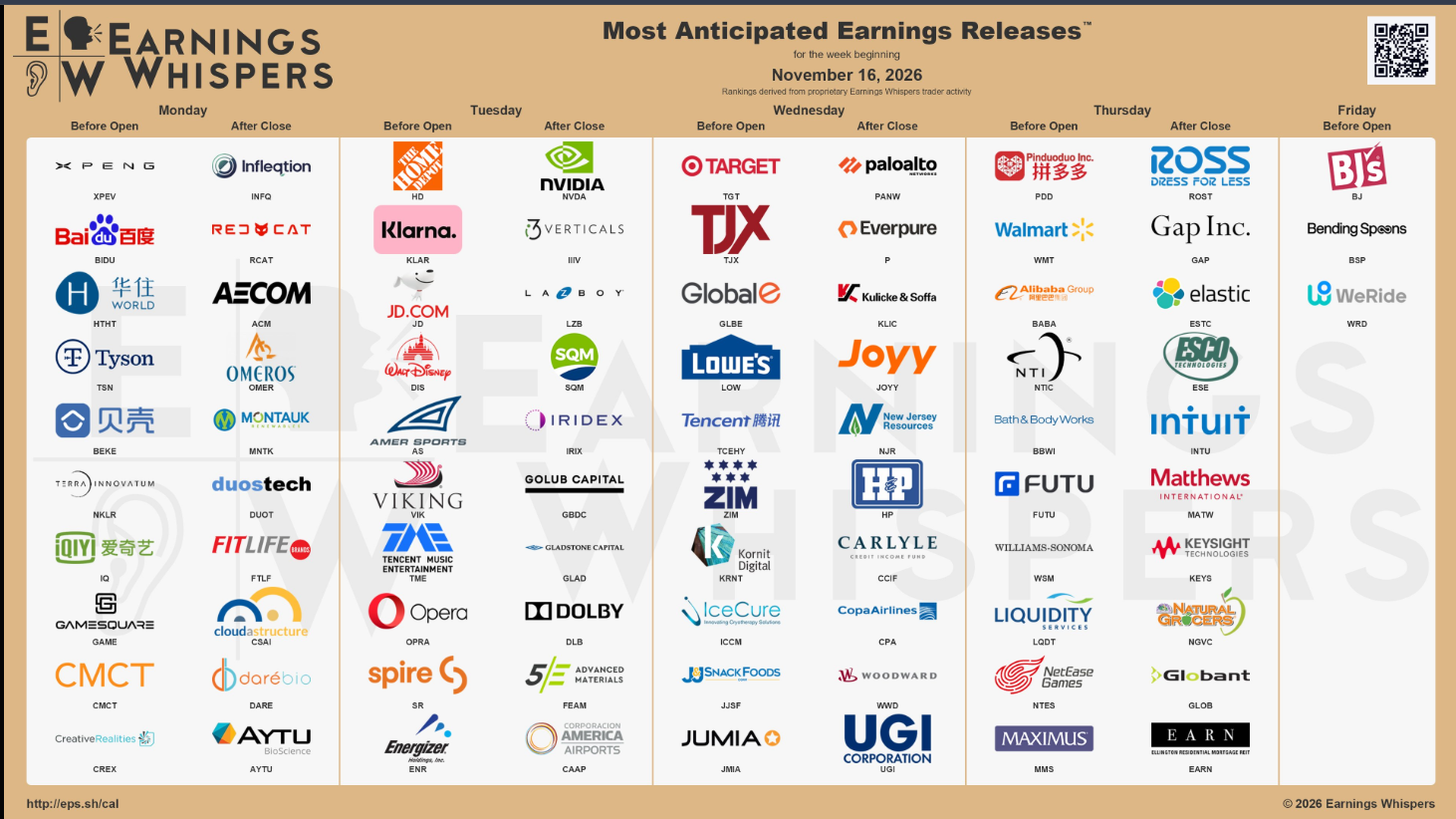
Wall Street suffered another substantial selloff Thursday, November 19, despite the highly anticipated initial public offering of Anthropic (ANT), the largest IPO in stock market history.
Rather than restoring confidence in the artificial intelligence sector, the historic offering coincided with a dramatic reversal in technology shares and a broad-based liquidation across the major indexes.
THURSDAY’S CLOSING NUMBERS
-
Dow Jones Industrial Average: 49,097.06, down 1,101 points (-2.19%).
-
S&P 500: 7,175.83, down 147.80 points (-2.02%).
-
Nasdaq Composite: 23,879.20, down 550.68 points (-2.25%).
-
Russell 2000: 2,655.11, down 2.2%.
The S&P 500 has now declined for six consecutive trading sessions and has retreated approximately 8.2% from its October record high.
More than 90% of S&P 500 components declined Thursday. Trading volume exceeded the recent 20-session average, adding significance to the selling pressure.
ANTHROPIC (ANT): A CLASSIC SELL-THE-NEWS EVENT?
Anthropic priced its historic $81.3 billion IPO at $83 per share, substantially above its original marketing range.
Trading commenced Thursday at $111.50, a 34% premium to the offering price. Shares subsequently advanced to approximately $115 before selling pressure intensified.
ANT eventually closed at $97.17, representing a gain of approximately 17% over its IPO price but a substantial retreat from its initial trading high.
The significance extends beyond Anthropic itself.
Investors had anticipated that the enormous offering would restore enthusiasm for artificial intelligence investments. Instead, the broader technology sector reversed sharply.
One possible explanation is that institutional investors liquidated existing technology holdings to finance participation in the offering or rebalance their portfolios.
However, the broader selling suggests that the market’s concerns extend well beyond the IPO.
FIVE DEVELOPMENTS DRIVING THE DECLINE
1. Artificial intelligence valuations under pressure
Investors are increasingly questioning whether enormous expenditures on data centers, semiconductor equipment and artificial intelligence infrastructure will generate sufficient investment returns.
Concerns over debt financing, profitability and the sustainability of capital expenditures are contributing to a reassessment of AI valuations.
2. Semiconductor shares are losing leadership
Nvidia (NVDA) declined approximately 3.3% Thursday, extending its losing streak to six sessions despite an upbeat revenue forecast.
Advanced Micro Devices (AMD) plunged approximately 7.7% following a negative investigative report accompanied by a disclosed short position.
CoreWeave declined approximately 6.1%, while Nebius lost approximately 9.4%.
These declines illustrate the continued deterioration of confidence across important segments of the AI infrastructure trade.
3. The Federal Reserve is becoming another obstacle
Minutes from the Federal Reserve’s October meeting reinforced concerns that inflation remains too persistent.
As of Thursday, interest-rate futures indicated approximately a 96% probability of another quarter-point rate increase at the December meeting.
The prospect of higher borrowing costs makes expensive growth-stock valuations more difficult to justify.
4. Institutional selling and deteriorating market breadth
Thursday’s selling was not confined to technology.
Declining stocks overwhelmed advancing issues on both the New York Stock Exchange and Nasdaq.
Exchange trading volume reached approximately 20.83 billion shares, compared with a recent daily average of 19 billion shares.
Heavy volume accompanying widespread price declines is consistent with institutional distribution, although it does not establish that a lasting market top has formed.
5. A deteriorating technical picture
The S&P 500 broke below the 7,200 level and closed near 7,176.
The Nasdaq Composite also finished below the psychologically important 24,000 level.
When markets fail to sustain rallies despite favorable corporate developments, it often indicates that investors are becoming increasingly concerned about the intermediate-term outlook.
MARKET OUTLOOK: WHAT TO WATCH FRIDAY
The immediate question is whether Thursday’s decline represents a selling climax capable of producing a sharp technical rebound or the beginning of another downward leg.
S&P 500: An initial recovery above 7,200 would be constructive, while 7,300 represents a higher reference level for a more meaningful recovery. Failure to stabilize could bring 7,100 and the psychological 7,000 level into focus.
Nasdaq Composite: Recovery of the 24,000 level would be an initial sign of stabilization. Continued semiconductor weakness would suggest that technology-sector selling remains unresolved.
ANT: Thursday’s $97.17 closing price becomes an immediate reference point. A renewed decline would shift attention toward the $83 IPO price, while recovery toward the $111.50 opening trade could indicate improving investor confidence.
Market breadth and volume: A meaningful reversal would be more convincing if accompanied by expanding upside volume, improving advance-decline figures and renewed participation from the semiconductor sector.
Following six consecutive declines in the S&P 500, a sharp short-covering rally remains possible. However, a single rebound would not necessarily establish a durable market bottom.
CONCLUSION: A WARNING FROM WALL STREET
The extraordinary enthusiasm surrounding Anthropic’s public offering was insufficient to overcome growing concerns about artificial intelligence valuations, corporate financing requirements, inflation and the direction of interest rates.
Thursday’s dramatic market reversal raises an important question:
If the largest IPO in history cannot restore confidence in technology stocks, what will?
The failure of an exceptionally favorable corporate event to sustain a broad market advance is a potentially important warning.
While oversold markets can rebound suddenly and sharply, the combination of substantial declines, heavy trading volume, weakening market breadth and deteriorating semiconductor leadership suggests that additional market volatility should be anticipated.
For now, the burden of proof rests with the bulls. A convincing recovery in market breadth and leadership will be necessary to demonstrate that the selling pressure is subsiding.
GEOCOSMIC & GLOBAL WEATHER WATCH
| November 20, 2026 (UTC)
Global weather, solar activity, planetary developments and their potential implications for financial and commodity markets.
1. EL NIÑO — A MAJOR GLOBAL CLIMATE EVENT
A powerful El Niño continues to intensify across the equatorial Pacific Ocean, potentially becoming one of the strongest events in the modern observational record.
NOAA’s November 12 assessment projects a greater than 79% probability of strong-to-very strong El Niño conditions continuing through January–March 2027.
Potential international consequences:
-
North America: Increased winter precipitation risks across southern regions, with warmer tendencies across northern areas.
-
South America: Increased risk of heavy rainfall and flooding in parts of the Pacific-facing tropics.
-
Australia and Indonesia: Elevated seasonal drought and heat risks in susceptible regions, although local conditions may differ.
-
Africa: Changing rainfall patterns could affect agricultural production and food security.
-
Asia: Shifting monsoon patterns may affect crops, water supplies and regional energy consumption.
The greatest economic implications may emerge in agriculture, energy, transportation, insurance and food prices.
2. POLAR VORTEX DISRUPTION — EUROPE AND NORTH AMERICA
An unusually early sudden stratospheric warming event has disrupted the polar vortex approximately 30 kilometers above the Arctic.
The British Met Office confirmed the event on November 18, describing an exceptionally strong sequence of atmospheric waves.
Such disruptions can sometimes increase the likelihood of cold-air outbreaks across Europe, Asia and North America several weeks later.
However, a major freeze is not inevitable. The vortex is already showing signs of recovery, and the impact on surface temperatures remains uncertain.
Market significance: Natural gas, heating oil, electricity and European energy markets could become increasingly sensitive to December temperature forecasts.
3. INDIA — CYCLONE AKVAN
Cyclone Akvan is approaching the eastern Indian coastline, with landfall anticipated around November 20 near Gopalpur, along the Andhra Pradesh–Odisha coastal region.
Although the cyclone weakened as it approached land, heavy rainfall, damaging winds, flooding and dangerous seas remain serious concerns.
Potential economic consequences include:
-
Disruption of rail and port operations.
-
Agricultural damage and crop losses.
-
Temporary interruptions in regional manufacturing and transportation.
-
Increased insurance and disaster-recovery costs.
4. SOUTHEAST ASIA — FLOOD AND LANDSLIDE THREATS
Southern Thailand faces heavy to very heavy rainfall through November 22, according to the Thai Meteorological Department.
Flash floods, overflowing waterways and landslides are possible, while dangerous seas threaten smaller vessels in the Gulf of Thailand.
Central Vietnam and parts of the wider Southeast Asian region also warrant monitoring for seasonal heavy-rainfall threats.
Regional agricultural production, tourism, transportation and supply chains could be affected.
5. NORTH AMERICA — EXTREME RAINFALL AND FLOODING
Major storms have affected California, producing flooding, mudslides, heavy Sierra Nevada snowfall and transportation interruptions.
Meanwhile, Florida has experienced exceptional November rainfall, including record-setting conditions in several communities. Flooding has prompted rescues and evacuations.
An additional coastal storm threat is developing along the southeastern United States, potentially affecting the Atlantic coast into the coming week.
Economic implications: Agricultural losses, transportation disruptions, property damage and insurance costs deserve attention.
6. SOLAR AND GEOMAGNETIC DEVELOPMENTS
NOAA recorded minor G1 geomagnetic storm conditions, with the planetary Kp index reaching 5 during the preceding 24 hours.
Its latest outlook anticipates quieter geomagnetic conditions for November 20–22, with the maximum forecast Kp around 3.67.
The probability of minor-to-moderate radio blackouts is approximately 15% each day.
Solar disturbances can interfere with high-frequency radio communication, satellite operations, GPS accuracy and, during stronger events, electrical infrastructure.
There is currently no NOAA forecast for a major geomagnetic storm during November 20–22.
7. UPCOMING GEOCOSMIC AND ASTRONOMICAL DATES
Date |
Event |
|---|---|
November 20 |
Mercury reaches greatest western elongation |
November 24 |
Full Moon at 14:53 UTC |
November 25 |
Uranus reaches opposition |
November 27 |
Venus reaches peak brightness for 2026 |
November 30 |
Close apparent gathering of the Moon, Mars and Jupiter |
For those studying financial astrology, November 24–25 may be of particular interest as an observation window for financial-market behavior.
These planetary events are astronomically predictable, although there is no established scientific evidence that they independently cause market reversals, earthquakes or extreme weather.
8. INTERNATIONAL FINANCIAL-MARKET IMPLICATIONS
Energy: The interaction between El Niño warmth and potential polar-vortex-related cold outbreaks could generate substantial changes in heating demand and natural-gas price expectations.
Agriculture: Wheat, corn, rice, soybeans, coffee and sugar markets should be monitored for weather-related production disruptions.
Precious metals: Extreme weather can affect mining operations, logistics and regional energy costs, although broader monetary and financial forces generally dominate gold and silver prices.
Insurance: Increasing catastrophe claims could affect global insurers, reinsurers and insurance-linked securities.
Transportation: Flooding, storms, port closures and adverse maritime conditions may contribute to shipping disruptions.
CONCLUSION — GLOBAL OUTLOOK
Three developments stand out heading into late November and December:
First, an exceptionally strong El Niño could reshape global weather patterns and agricultural conditions into 2027.
Second, the unusually early polar-vortex disruption introduces uncertainty into Northern Hemisphere winter forecasts, with potentially important energy-market consequences.
Third, severe rainfall, coastal storms and tropical cyclones continue to threaten transportation, agriculture and infrastructure across several regions.
The interaction of these developments deserves attention from investors, commodity traders, businesses and policymakers worldwide.
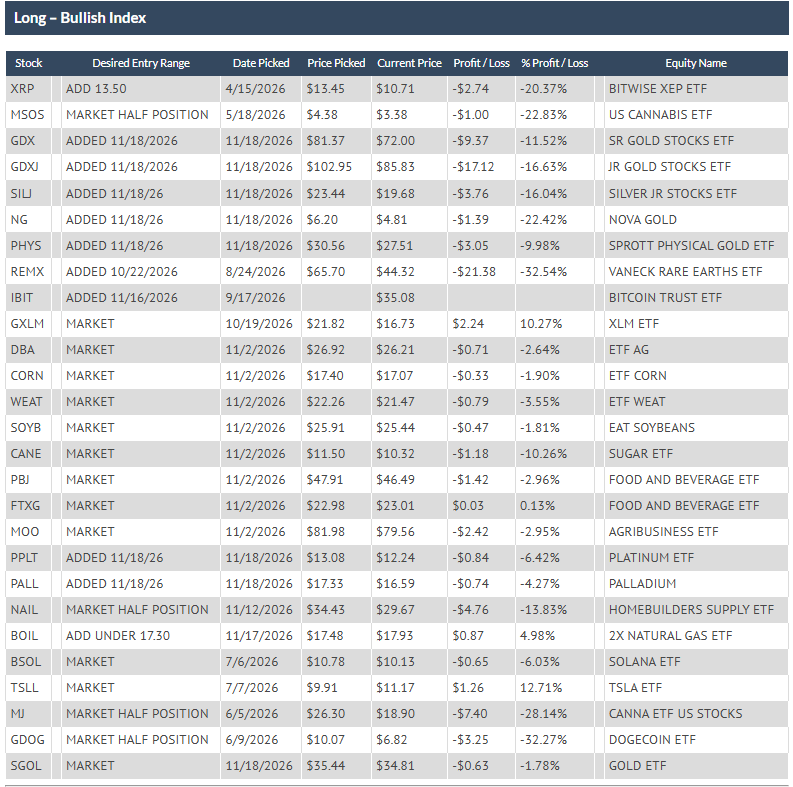
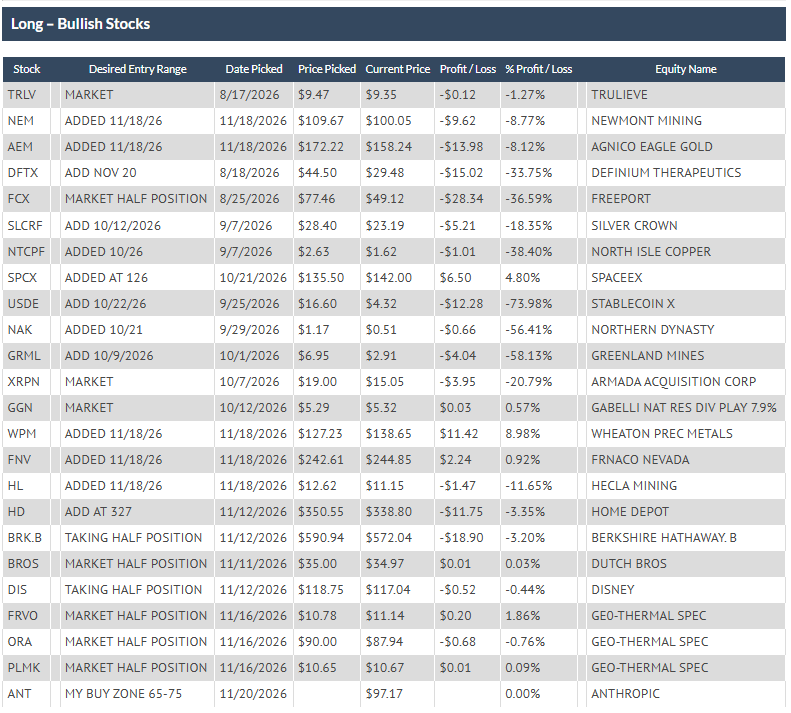
CURRENT HYPOTHETICAL PORTFOLIO:
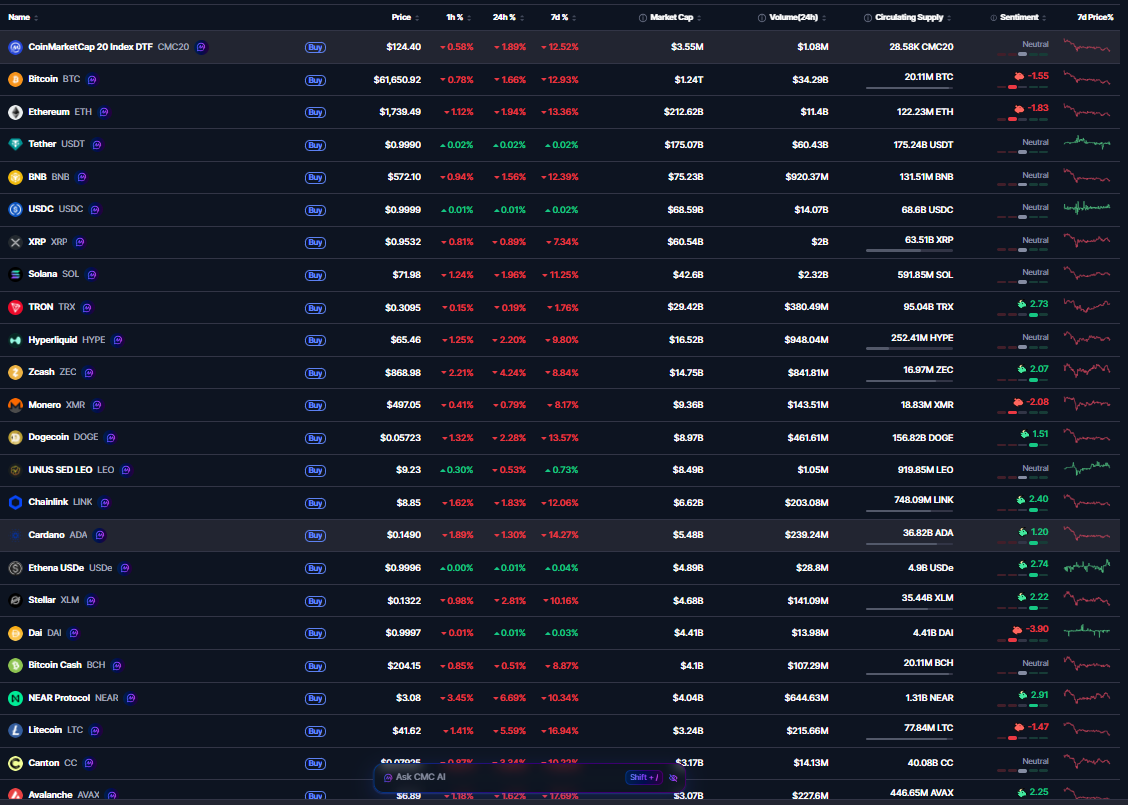
CRYPTO UPDATE
https://coinmarketcap.com/

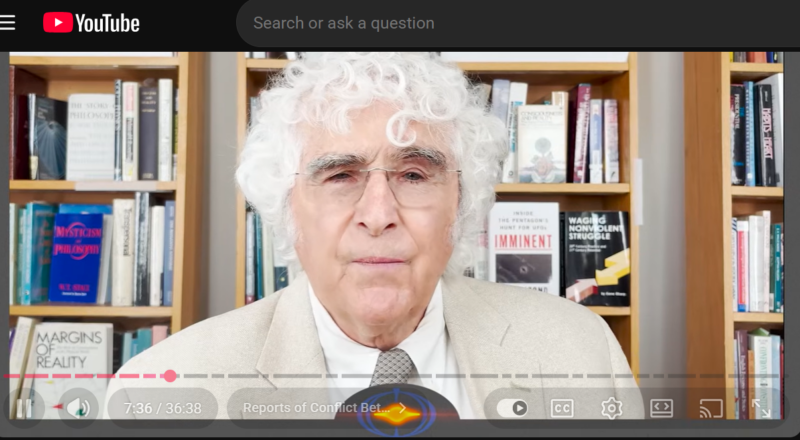
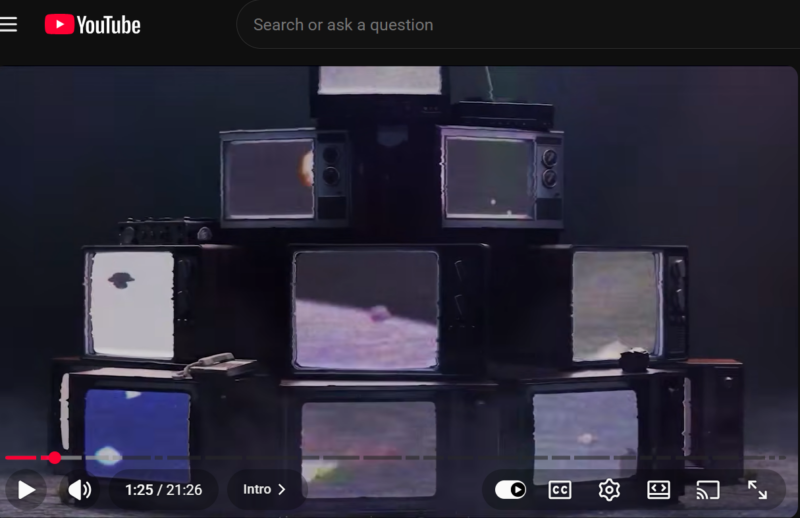
ARE YOU COURAGEOUS ENOUGH OR INTELLIGENT ENOUGH TO UNDERSTAND WHAT IS GOING ON?
ANY POSSIBILITY THE COMMUNICATION AND TRANSPORTATION DISRUPTIONS ARE LINKED TO THIS?

https://tinyurl.com/4jywxyk5
I AM AVAILABLE FOR TECHNICAL CONSULTATION ON THE VOLUME REVERSAL (TM) STRATEGY AND ACCOMPANYING TECHNICAL ANALYSIS. PLEASE EMAIL MARK.VRTRADER@GMAIL.COM
One interesting piece of Wall Street Week history is that my profile places me among a relatively small group of market technicians who achieved long-term national visibility through the show,Wall Street Week with Louis Rukeyser.
Seven years as a Wall Street Week Elf
More than thirty years as a Market Monitor guest on PBS’s Nightly Business Report
Two-time Timer Digest #1 market-timing recognition twice
Creator of the trademarked Volume Reversal Indicator.
MY 2011 BOOK:


MARK LEIBOVIT is Chief Market Strategist for LEIBOVIT VR NEWSLETTERS a/k/a VRTrader.Com. His technical expertise is in overall market timing and stock selection based upon his proprietary VOLUME REVERSAL (TM) methodology and Annual Forecast Model.
Mark’s extensive media television profile includes seven years as a consultant ‘Elf’ on “Louis Rukeyser’s Wall Street Week” television program, and over thirty years as a Market Monitor guest for PBS “The Nightly Business Report”. He also has appeared on Fox Business News, CNBC, BNN (Canada), and Bloomberg, and has been interviewed in Barrons, Business Week, Forbes and The Wall Street Journal and Michael Campbell’s MoneyTalks.
In the January 2, 2020 edition of TIMER DIGEST MAGAZINE, Mark Leibovit was ranked the #1 U.S. Stock Market Timer and was previously ranked #1 Intermediate U.S. Market Timer for the ten year period December, 1997 to 2007.
He was a ‘Market Maker’ on the Chicago Board Options Exchange and the Midwest Options Exchange and then went on to work in the Research department of two Chicago based brokerage firms. Mr. Leibovit now publishes a series of newsletters at www.LeibovitVRNewsletters.com. He became a member of the Market Technicians Association in 1982.
Mr. Leibovit’s specialty is Volume Analysis and his proprietary Leibovit Volume Reversal Indicator is well known for forecasting accurate signals of trend direction and reversals in the equity, metals and futures markets. He has historical experience recognizing, bull and bear markets and signaling alerts prior to market crashes. His indicator is currently available on the Metastock platform.
His comprehensive study on Volume Analysis, The Trader’s Book of Volume published by McGraw-Hill is a definitive guide to volume trading. It is now also published in Chinese. Mark has appeared in speaking engagements and seminars in the U.S. and Canada.
DISCLAIMER
WE ARE NOT FINANCIAL ADVISORS AND DO NOT PROVIDE FINANCIAL ADVICE
The website, LeibovitVRNewsletters.com, is published by LeibovitVRNewsletters LLC.
In using LeibovitVRnewsletters.com (a/k/a LeibovitVRNewsletters LLC) you agree to these Terms & Conditions governing the use of the service. These Terms & Conditions are subject to change without notice. We are publishers and are not registered as a broker-dealer or investment adviser either with the U.S. Securities and Exchange Commission or with any state securities authority.
All stocks and ETFs discussed are HYPOTHETICAL and not actual trades whose actual execution may differ markedly from prices posted on the website and in emails. This may be due internet connectivity, quote delays, data entry errors and other market conditions. Hypothetical or simulated performance results have certain inherent limitations as to liquidity and execution among other variables. PAST RESULTS ARE NOT NECESSARILY INDICATIVE OF FUTURE FORECASTING ACCURACY OR PROFITABLE TRADING RESULTS.
All investments are subject to risk, which should be considered on an individual basis before making any investment decision. We are not responsible for errors and omissions. These publications are intended solely for information and educational purposes only and the content within is not to be construed, under any circumstances, as an offer to buy or to sell or a solicitation to buy or sell or trade in any commodities or securities named within.
All commentary is provided for educational purposes only. This material is based upon information we consider reliable. However, accuracy is not guaranteed. Subscribers should always do their own investigation before investing in any security. Furthermore, you cannot be assured that your will profit or that any losses can or will be limited. It is important to know that no guarantee of any kind is implied nor possible where projections of future conditions in the markets are attempted.
Stocks and ETFs may be held by principals of LeibovitVRNewsletters LLC whose personal investment decisions including entry and exit points may differ from guidelines posted.
LeibovitVRNewsletters.com cannot and do not assess, verify or guarantee the suitability or profitability of any particular investment. You bear responsibility for your own investment research and decisions and should seek the advice of a qualified securities professional before making any investment. As an express condition of using this service and anytime after ending the service, you agree not to hold LeibovitVRNewsletters.com or any employees liable for trading losses, lost profits or other damages resulting from your use of information on the Site in any form (Web-based, email-based, or downloadable software), and you agree to indemnify and hold LeibovitVRNewsletters.com and its employees harmless from and against any and all claims, losses, liabilities, costs, and expenses (including but not limited to attorneys’ fees) arising from your violation of this agreement. This paragraph is not intended to limit rights available to you or to us that may be available under the federal securities laws.
For rights, permissions, subscription and customer service, contact the publisher at mark.vrtrader@gmail.com or call at 928-282-1275 or mail to 10632 N. Scottsdale Road B-426, Scottsdale, AZ 85254.
The Leibovit Volume Reversal, Volume Reversal and Leibovit VR are registered trademarks.
© Copyright 2026. All rights reserved.


COULD THIS HAPPEN?

[/fusion_text][/fusion_builder_column][/fusion_builder_row][/fusion_builder_container]