



https://www.howestreet.com/2026/01/ground-hog-day-does-it-affect-the-markets-mark-leibovit/

Renewed Inflation Concerns Contribute To Weakness On Wall Street
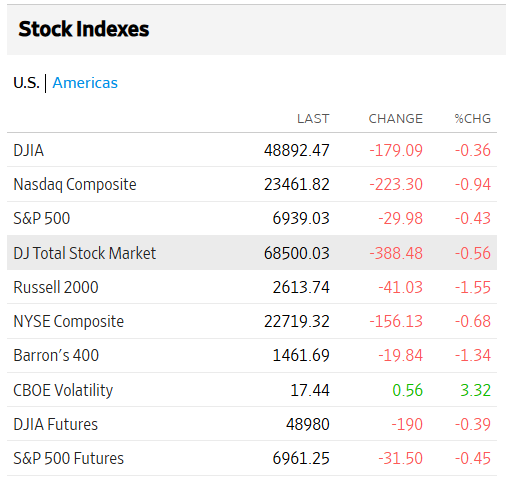
Stocks fluctuated over the course of the trading session on Friday but maintained a negative bias throughout the day before eventually closing mostly lower.
After recovering from an early sell-off to end Thursday’s session mixed, the major averages all finished the day firmly in negative territory.
The tech-heavy Nasdaq led the way lower, slumping 223.30 points or 0.9 percent to 23,461.82, while the Dow slid 179.09 points or 0.4 percent to 48,892.47 and the S&P 500 fell 29.98 points or 0.4 percent to 6,939.03.
Meanwhile, the major averages turned in a mixed performance for the week. While the S&P 500 rose by 0.3 percent, the Nasdaq dipped by 0.2 percent and the Dow decreased by 0.4 percent.
The weakness on Wall Street may partly have reflected renewed concerns about inflation after the Labor Department released a report showing producer prices increased by much more than expected in the month of December.
The Labor Department said its producer price index for final demand climbed by 0.5 percent in December after rising by 0.2 percent in November. Economists had expected producer prices to rise by another 0.2 percent.
The report also said producer prices in December were up by 3.0 percent compared to the same month a year ago, unchanged from November. The annual rate of growth was expected to slow to 2.7 percent.
New tariff threats from President Donald Trump may have also have contributed to the negative sentiment, with the president threatening Canada with a 50 percent tariff on all aircraft sold in the U.S. over its refusal to certify certain Gulfstream jets.
Trump also signed an executive order that would impose tariffs on any goods from countries that sell or provide oil to Cuba.
Meanwhile, traders were also reacting to news that Trump announced his intent to nominate former Federal Reserve Governor Kevin Warsh to succeed Fed Chair Jerome Powell.
“While the markets are probably relieved that a well-known, former Fed official has been nominated as the next Fed chair, they are also likely to pivot to concerns that he won’t be as dovish as they were expecting the new chair to be,” said Chris Zaccarelli, Chief Investment Officer for Northlight Asset Management.
Sector News
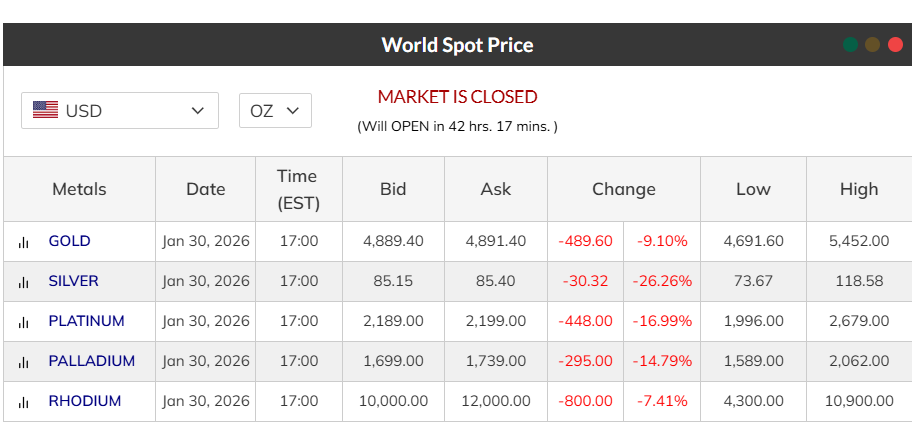
Gold stocks turned in some of the market’s worst performances on the day amid a nosedive by the price of the precious metal, with the NYSE Arca Gold Bugs Index plummeting by 12.6 percent.
Semiconductor and computer hardware stocks also saw substantial weakness, contributing to the slump by the tech-heavy Nasdaq.
Steel, airline, biotechnology and housing stocks also showed notable moves to the downside, moving lower along with most of the other major sectors.
Other Markets
In overseas trading, stock markets across the Asia-Pacific region moved mostly lower on Friday. Japan’s Nikkei 225 Index edged down by 0.1 percent, China’s Shanghai Composite Index slumped by 1 percent and Hong Kong’s Hang Seng Index tumbled by 2.1 percent.
Meanwhile, the major European markets moved to the upside on the day. While the German DAX Index advanced by 0.9 percent the French CAC 40 Index climbed by 0.7 percent and the U.K.’s FTSE 100 Index rose by 0.5 percent.
In the bond market, treasuries gave back ground following the rebound seen on Thursday. As a result, the yield on the benchmark ten-year note, which moves opposite of its price, rose 1.4 basis points to 4.241 percent.
Looking Ahead
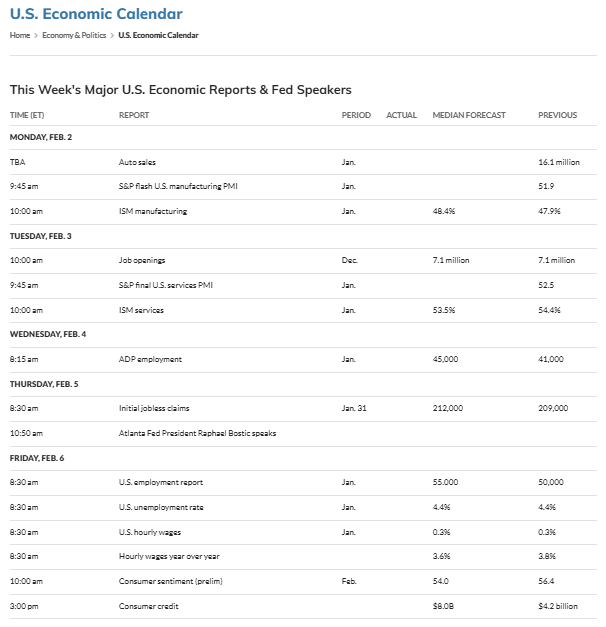
The Labor Department’s monthly jobs report is likely to be in the spotlight next week, while reports on manufacturing and service sector activity, job openings and consumer sentiment may also attract attention along with the latest developments on the geopolitical front.

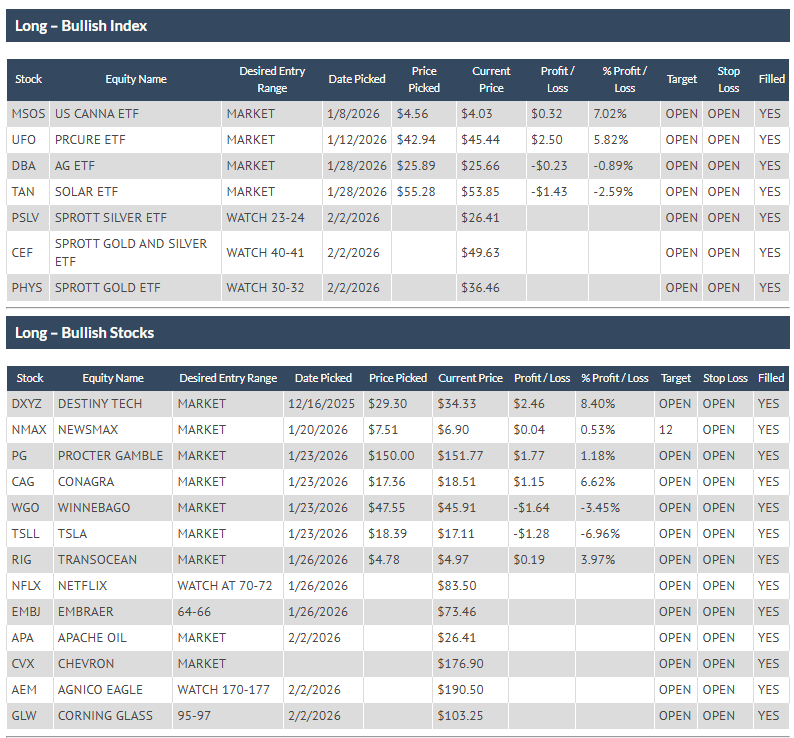
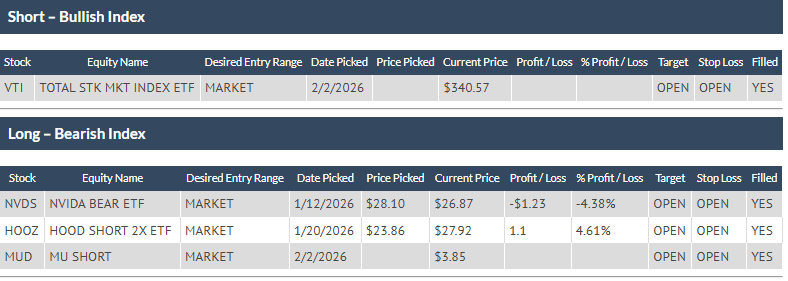
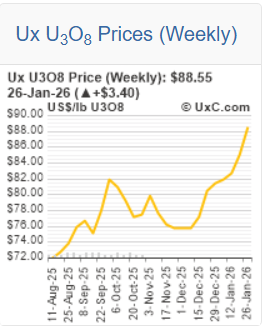
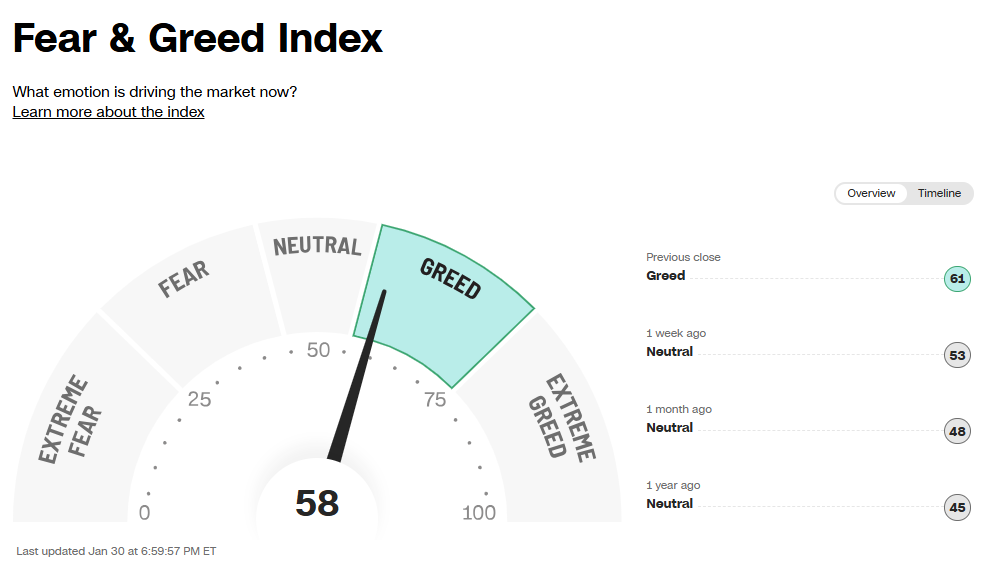
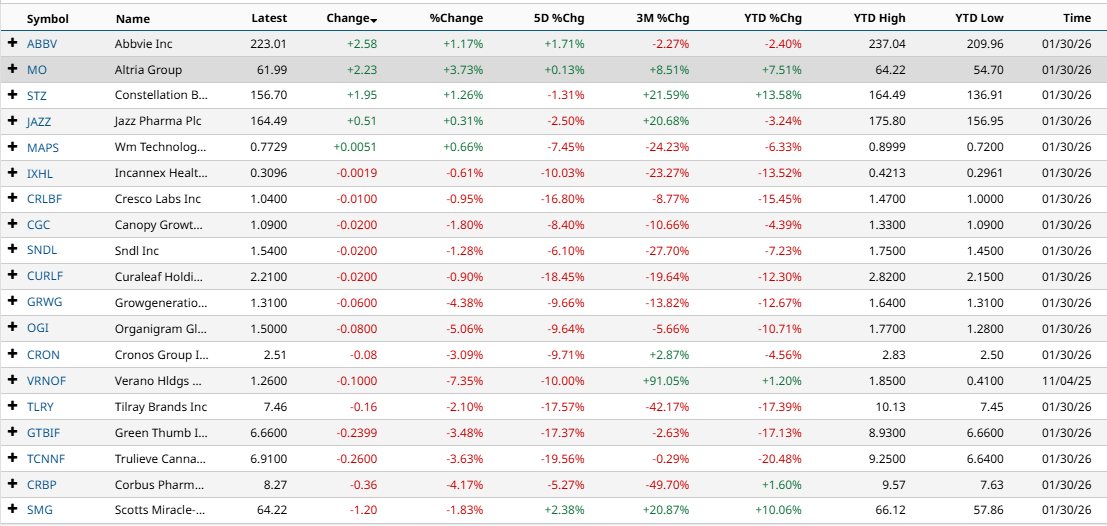
CANNABIS FRIDAY

Groundhog Day isn’t silly — it’s ancient.
February 2 keeps showing up because it sits at a powerful crossroads of astronomy, religion, agriculture, and folklore. Different cultures wrapped meaning around the same natural moment, so it reappears in many “historical forms.”
Here’s the clean breakdown 👇
1. It’s an astronomical hinge point
Feb 2 is almost exactly midway between:
the winter solstice (Dec 21)
the spring equinox (Mar 20)
Ancient cultures marked these cross-quarter days because they signaled a real change in daylight and seasonal momentum.
So long before groundhogs:
Farmers cared
Priests cared
Survival depended on it
2. Pagan roots: Imbolc (Celtic world)
Celebrated Feb 1–2 for over 2,000 years.
Imbolc =
return of light
lambing season
purification
early signs of spring
Brigid (fire/light goddess) was honored — sound familiar?
This is the earliest known ancestor of Groundhog Day.
3. Christianity absorbed it: Candlemas
As Christianity spread, it didn’t erase these dates — it rebranded them.
Feb 2 became:
Candlemas
Feast of the Presentation of Jesus
Blessing of candles (light returning!)
Old Candlemas weather sayings:
“If Candlemas be fair and bright,
Winter will have another flight.”
That’s basically the groundhog rule — clear day = more winter.
4. European animal prophecy traditions
Before groundhogs, Europeans used:
badgers
hedgehogs
bears
Same idea:
animal comes out
sees shadow?
goes back to sleep → winter continues
German immigrants brought this tradition to Pennsylvania and swapped in the groundhog because it was local.
5. Psychological timing: the “winter breaking point”
By early February:
food stores were tight
people were restless
daylight noticeably increases
Humans needed hope — rituals gave structure to anxiety.
Groundhog Day stuck because it:
adds humor
adds ritual
adds a sense of control over uncertainty
That’s why it survived when so many traditions didn’t.
6. Why it keeps resurfacing in history
Because every culture had the same problem:
“Are we going to survive until spring?”
Same date.
Same fear.
Same hope.
Different symbols.
So Feb 2 becomes:
Imbolc
Candlemas
animal prophecy day
Groundhog Day
a recurring cultural “checkpoint”

WHERE WILL THE BLACK SWAN COME FROM IN 2026?

 What a “Black Swan” Really Is
A black swan event is:
-
Highly unexpected
-
Has major market or economic impact
-
Is often only explainable in hindsight
By definition, elections — scheduled and widely anticipated — do not qualify as true black swans because markets price in their likelihood and scenarios well in advance. Wikipedia
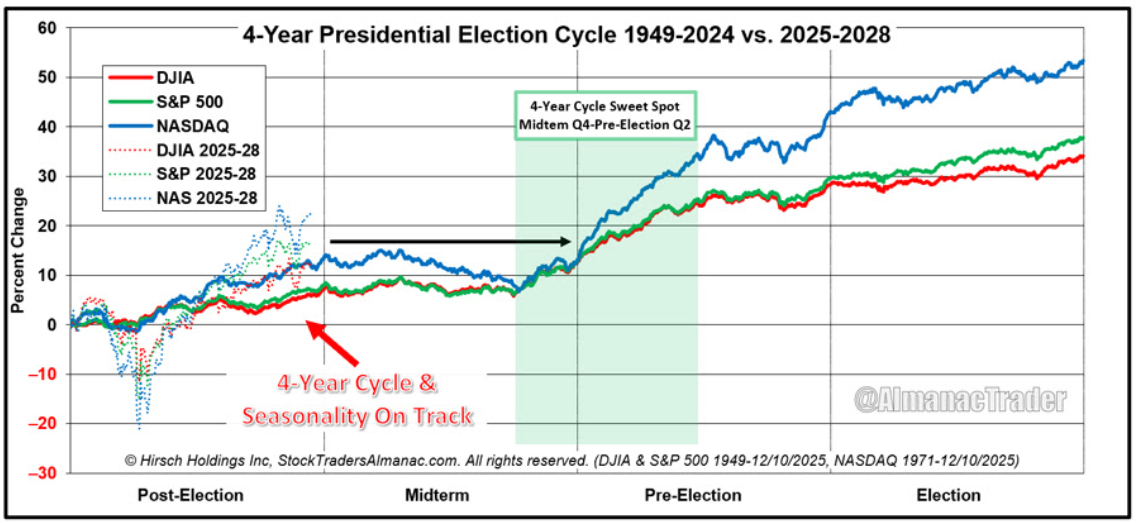
 Historical Market Behavior Around Midterms
-
Midterm elections are held halfway through the president’s term and involve all House seats and about one-third of Senate seats. Wikipedia
-
Historically, markets tend to show increased volatility in election years because of uncertainty around fiscal policy, regulation, and potential splits in congressional control.
-
However, volatility spikes and swings in market prices around elections are normal calendar effects and expected risk, not truly unforeseeable shocks. Wikipedia
 Economists & Strategists: What They’re Saying
Market strategists are flagging political uncertainty as a risk, not a surprise:
-
Analysts see the midterms as a catalyst for volatility, especially if control of Congress shifts and affects fiscal or regulatory policy. Morgan Stanley
-
Some investment commentary lists political uncertainty among a long list of potential risks in 2026 — but not as the most dominant one. These include elevated valuations, slower earnings growth, tariffs, and interest rate expectations. ulinwealth.com+1
In other words: midterm election uncertainty can influence markets, but it’s one of many risk drivers analysts are discussing. It isn’t singled out as a uniquely unforeseen, catastrophic event.
 How Markets Typically React to Midterms
Research and historical patterns show:
-
Volatility tends to rise as elections approach.
-
Certain sectors (defense, energy, healthcare, tech) may perform differently depending on policy expectations.
-
After election outcomes are known, markets often settle as uncertainty resolves.
Again — this is normal political risk pricing, not a black swan. arXiv
 So, Is the 2026 Midterm a Black Swan?
No — not under the academic or financial definition.
Here’s why:
 Scheduled and widely anticipated — markets know the date and potential outcomes well in advance. Factored into valuations — investors already account for political risk in positioning. Not unforeseeable — election scenarios and their impacts are routinely modeled and debated.
But…
 Could a surprising election result or unexpected political event trigger a market selloff?
Yes — that’s normal political risk, not a true black swan.
Example: an unexpected electoral wave, sharp shift in control, or major policy reversal could trigger short-term volatility. That’s not rare or structurally systemic like the 2008 financial crisis or the 2020 pandemic.
 Risk vs. Black Swan: Key Distinction
| Political risk (expected) | Black Swan (unexpected) |
|---|---|
| Midterm uncertainty priced in | Sudden geopolitical shock |
| Policy uncertainty affects sectors | Entire market disruption not forecastable |
| Outcomes broadly anticipated | Outcomes unforeseen by almost all analysts |
 Bottom Line
 The 2026 U.S. midterm elections are a legitimate market risk factor that could contribute to volatility — especially if election results are surprising or if policy expectations shift sharply. Morgan Stanley However, they are not a classic black swan by definition because they are anticipated and widely analyzed well in advance.
So: market volatility around the midterms = probable
Black swan event due to the midterms = unlikely
IRANIAN WAR INEVITABLE
🧠 1. There is internal pressure inside Iran for leadership change
• Some Iranian activists and opposition figures — both inside the country and in exile — do call for the removal or resignation of Iran’s Supreme Leader and fundamental changes to the government. These calls emphasize internal democratic choice and ending repression, and many stress no foreign military intervention should be involved.
• Past open letters from Iranian activists — including women’s rights advocates — have explicitly demanded that Iran’s Supreme Leader resign.
These movements reflect significant public unrest and discontent, but they represent a range of views within Iranian society.
🛑 2. External powers advocating regime change is controversial
• Some international figures and commentators in the U.S. have discussed regime change in Iran as part of geopolitical strategy, including talking about weakening the current government or pressing for a leadership shift.
• A former U.S. general was quoted in some outlets saying that recent U.S. military preparations might be aimed at regime change, but this is commentary — not an official U.S. policy statement.
However, international law generally prohibits one country forcing leadership change in another through military intervention. Sovereignty and non-intervention are core principles of the UN Charter.
⚖️ 3. Militarily removing Iran’s leadership would be extremely risky
• Experts argue that military intervention to remove Iran’s leadership is not a viable or safe policy — from a strategic, humanitarian, or practical standpoint. Plans for regime change are widely seen as unprepared and potentially destabilizing rather than constructive.
• Even discussions about targeted strikes on leaders (e.g., Supreme Leader) are widely recognized by analysts as potentially leading to a much larger war, massive civilian harm, and regional instability.
🧩 4. Many analysts emphasize that lasting change must come from Iranians themselves
• Political and academic analysts — including at institutions like the Brookings Institution — stress that change is more likely if Iranians internally mobilize for reform or revolution rather than through external military action.
• Revolutions historically succeed when internal social pressures, economic stresses, and political divisions align — and several experts say Iran currently exhibits many of these conditions.
🧭 5. Public opinion in Iran is divided and complex
• Some surveys have shown that many Iranians are deeply dissatisfied with the current government, but opinions differ on what should replace it or how to get there.
Change in any sovereign country — especially one as geopolitically significant as Iran — is a nuanced and deeply contextual issue involving internal desires, regional dynamics, international law, and possible repercussions.
📌 Bottom line
-
Calls for the removal of Iran’s leadership exist both internally (from some Iranian activists) and externally (from some foreign commentators).
-
Forcing regime change through military action is legally and ethically controversial and carries high risks of wider conflict.
-
Many experts argue that sustainable and legitimate change must come from within Iranian society, not from external military intervention.
UFO DISCLOSURE (IF ANY) IN 2026?
 1. Government Transparency & Congressional Action
Incremental but ongoing:
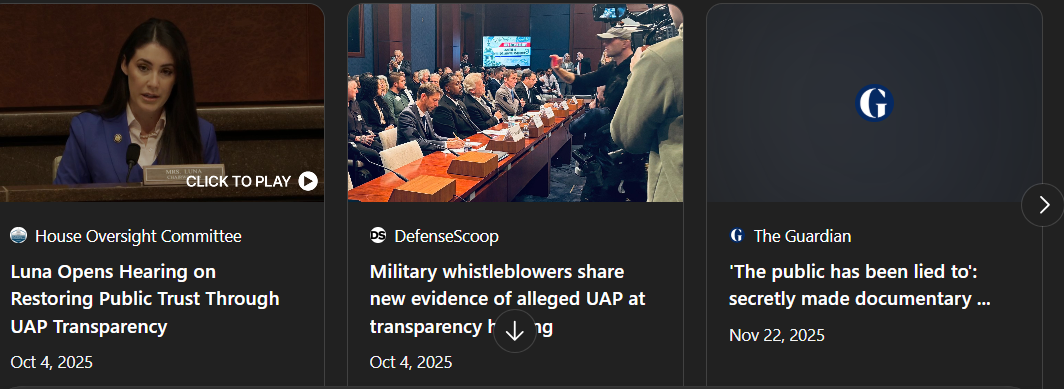
• The U.S. Congress continues to hold UAP/UFO hearings — including ones focused on transparency, whistleblower protections, and declassification — signaling sustained legislative interest in forcing more disclosure from defense/intelligence agencies. House Oversight Committee+1
• Lawmakers have introduced and debated measures like the UAP Whistleblower Protection Act and provisions in the 2026 National Defense Authorization Act (NDAA) that would require reporting of UAP intercepts and centralize data under the Pentagon’s UAP office. DefenseScoop+1
• A formal legislative proposal — the UAP Disclosure Act of 2025 — would mandate presumption of disclosure for government records on UAPs, although its passage and final scope remain in flux. Congress.gov
What this means: Governments are not suddenly releasing all UFO secrets, but they are legislating more oversight and reporting requirements — quality and completeness of disclosure remain contested.
 2. Pentagon & Federal Agency Studies
• The All-Domain Anomaly Resolution Office (AARO) — established in 2022 — is still the central agency for UAP data collection and analysis. Its internal work remains largely classified, but lawmakers insist on more briefings to Congress under recent defense bills. DefenseScoop
No official declaration of extraterrestrial contact has been made by U.S. agencies or other major governments.
 3. Whistleblower Testimonies & Public Claims
• In 2025, military and former defense personnel testified to Congress about unexplained aerial objects and experiences that purportedly exceed known technology. These accounts increase public interest in disclosure but do not constitute official confirmation of alien life or recovered non-human craft. DefenseScoop
 4. Popular Culture & Public Debate
• A high-profile documentary called The Age of Disclosure (released in late 2025) claims decades-long cover-ups and interviews former officials asserting hidden extraterrestrial evidence. This film has fueled public debate but is not an official government disclosure. Wikipedia
• Speculation — including financial market “bets” on UFO document releases — shows growing public fixation on potential disclosure. www.ndtv.com
 5. Global Context
• Other governments (e.g., UK Ministry of Defence’s historical files) show that military interest in UAP/UFO phenomena has existed in the past, but no global authority has released evidence of non-human intelligent origin for UAPs. The Times
Summary: Where Do Things Stand in 2026?
More legislative pressure and oversight
Congress (especially in the U.S.) is pushing for greater transparency, reporting, and legal protections for whistleblowers.
Agencies are more open than a decade ago, but still secretive
Offices like AARO exist, and declassification efforts are underway — but we’re not seeing a dramatic “Disclosure Day.”
 No official confirmation of extraterrestrial life or recovered alien technology
Despite documentary claims and activist pressure, there’s no verified government release of alien contact evidence.
Public interest and speculation remain high
Films, documentaries, and media discussions keep UFO/UAP topics in the cultural forefront.
SUPREME COURT TARIFF DECISION CRUCIAL
 Current Case: Trump IEEPA Tariffs
The Supreme Court is considering a high-profile constitutional challenge to President Donald Trump’s sweeping global tariffs imposed under the International Emergency Economic Powers Act (IEEPA). Courts below held that the executive lacked clear statutory authority to levy broad tariffs under that 1977 emergency powers law.
 What Has Happened So Far
-
The Court heard oral arguments in the case on Nov. 5, 2025 on an expedited timeline.
-
However, as of late January 2026, the Supreme Court has not yet issued a ruling on the legality of the tariffs — and no decision was released on scheduled opinion days in early and mid-January.
-
The justices are now on a scheduled recess and the earliest likely next opinion release date is Feb. 20, 2026.
Why the Delay Matters
-
The tariffs remain fully in effect while the case is unresolved, collecting billions in duties and maintaining pressure on importers and foreign trading partners.
-
Observers say the delay could signal intense internal debate at the Court over both the constitutional merits of the IEEPA argument and what remedy to craft if the tariffs are ruled unlawful.
 Central Legal Question
The core legal issue is whether IEEPA actually authorizes the President to impose broad, indefinite tariffs as he has done — a power critics argue goes far beyond the statute’s text and constitutes a form of taxation requiring explicit Congressional authority.
 What Happens Next
-
If the Supreme Court upholds the tariffs, it would confirm the executive’s broad power under IEEPA and likely end major legal challenges to this tariff regime.
-
If the Court strikes them down, it could invalidate the existing duties and potentially trigger refund claims for tariffs already collected — a complex and costly process.
-
Some in the administration have said they could reimpose tariffs using other statutory authorities if IEEPA is rejected.
Broader Impacts
A ruling against the tariffs could:
-
Lower effective tariff rates by removing IEEPA-based duties.
-
Signal a more constrained view of executive power in trade policy.
-
Influence markets, global trade relations and U.S. import costs.
Conversely, upholding the tariffs would solidify presidential authority in economic emergency contexts and sustain the current trade policy.
JAPANESE RISING INTEREST RATES – A DISCUSSION
 Current Status of Japanese Interest Rates
Bank of Japan (BOJ) policy rate:
-
The **policy interest rate is 0.75%, which is near its highest level in about 30 years after gradual increases from near-zero.
-
In its most recent meeting, the BOJ held the rate steady at 0.75% while signalling that it may raise rates further later if inflation and economic data warrant.
-
Governor Kazuo Ueda emphasized a data-dependent approach, noting that changes in inflation and economic activity will guide future hikes.
Inflation & economic backdrop:
-
Core inflation remains above the BOJ’s 2% target — partly due to food and wage pressures — and households expect prices to continue rising.
-
The IMF slightly upped Japan’s growth forecast for 2026, though growth remains modest, reinforcing cautious policy decisions.
Political and market context:
-
Political debates are emerging about the pace of rate hikes, with some voices warning about hurting the fragile economy or small businesses.
Why This Matters
 1. Currency (Yen) Movements
-
Higher rates generally support the Japanese yen by making yen-denominated assets more attractive, countering prior weakness.
-
However, political uncertainty and fiscal stimulus plans have contributed to volatility in yen and Japanese government bond yields.
Impact:
-
A stronger yen reduces import costs (which can ease inflation) but can hurt Japanese exports by making them more expensive abroad.
2. Bond Markets & Yields
-
Japan’s long-term government bond yields have spiked, reaching multi-year highs amid fiscal policy concerns.
-
Rising yields can add pressure on government financing costs in a country with one of the highest debt-to-GDP ratios globally.
Impact:
-
Higher yields often mean higher borrowing costs for businesses and consumers.
-
Bond market volatility can spill over into global markets, affecting global yields and risk assets.
3. Equities & Global Markets
-
Rate rises in Japan influence global capital flows, particularly carry trades where investors borrow in low-rate yen to invest in higher-yielding assets abroad (e.g., U.S. stocks).
-
If Japanese rates rise while U.S. rates fall, that popular strategy can unwind, which can weigh on risk assets like tech stocks and cryptocurrencies.
Impact:
-
Spillovers to international equity markets and emerging-market currencies as investors adjust portfolios.
 4. Domestic Economy
-
Higher interest rates typically slow economic activity as borrowing becomes more expensive for households and firms.
-
But with inflation above target and some wage growth, the BOJ is balancing between containing inflation and supporting growth.
Impact:
-
Consumer spending and investment could slow if borrowing costs rise too quickly.
-
Banks may benefit from modestly higher interest margins, but mortgage and business loan costs could rise.
Key Takeaways
-
Japanese interest rates are rising from historic lows (currently ~0.75%), and the BOJ is signaling possible future increases as inflation persists.
-
Currency and bond markets are volatile, with yen movements and yields being key flashpoints for investors.
-
Global financial markets feel the impact as shifts in Japanese rates influence currency trades, risk assets, and capital flows.
-
Domestically, higher rates are part of the BOJ’s effort to balance inflation control with economic growth.
RESCHEDULING CANNABIS
 1. Federal Rescheduling — Major Executive Action
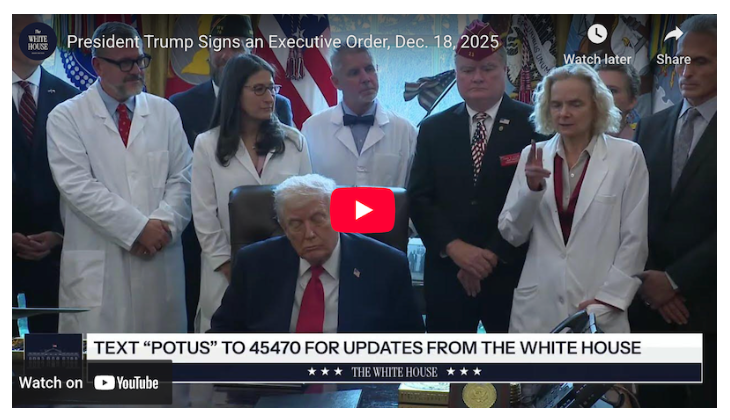
President Trump issued an executive order on December 18, 2025, directing the U.S. Attorney General to expedite rescheduling marijuana from Schedule I to Schedule III under the Controlled Substances Act (CSA) — a historically significant shift in federal drug policy.
-
Schedule I currently lumps cannabis with drugs like heroin and LSD (no accepted medical use).
-
Schedule III includes substances considered to have accepted medical uses and lower abuse potential — e.g., ketamine or anabolic steroids.
This executive order emphasizes medical marijuana research, more realistic classifications of cannabis risk, and clearer federal guidance.
Why it matters:
-
Federal rescheduling could reduce barriers to research, improve medical legitimacy, and alter how cannabis businesses are regulated nationally.
2. The Rescheduling Process Is Still Incomplete
Despite the executive order pushing the process forward:
-
The Drug Enforcement Administration (DEA) has said the rescheduling process is still pending, with procedural steps like hearings and administrative rulemaking yet to conclude.
-
Final scheduling still requires formal actions by DOJ and DEA, which may include public comment, hearings, appeals, and final rule publication — with no definitive timeline yet.
In short: the executive order jump-starts rescheduling but does not instantly complete it.
3. Policy, Legal & Practical Developments
 Congress Softens Opposition
• Congressional appropriations language that would have blocked cannabis rescheduling was removed — meaning lawmakers aren’t actively trying to prevent the DOJ from moving forward.
 DEA & Federal Enforcement
• The DEA still holds authority to finalize rescheduling. Any delays or administrative hurdles may arise at hearings and in how the agency interprets the executive order.
 How This Affects Industry
-
A full rescheduling change could potentially unlock IRS tax relief (e.g., relief from the burdensome § 280E tax code treatment), though these effects aren’t guaranteed and don’t happen automatically with an EO.
 4. Criticism & Limitations
Not all observers see the rescheduling executive order as a complete win:
-
Some experts argue this federal action still leaves criminal enforcement power intact for possession and deportation cases, especially for populations vulnerable to federal prosecution.
-
The order is focused on medical cannabis use, not recreational legalization. It hasn’t changed federal law criminalizing recreational possession nationwide.
 Next Steps to Watch
What’s happening now or soon:
-
DOJ / DEA rulemaking — administrative process to formally reclassify cannabis under federal law. (Public hearings/comments will be part of this.)
-
Implementation questions — how federal agencies (like FDA, DOT, IRS) adjust rules for medical vs. recreational use, workplace testing, taxation, banking, etc.
-
Congressional action — lawmakers may propose bills to clarify or expand rescheduling impacts or address related hemp and CBD policy.
-
Legal challenges — organizations opposed to rescheduling may file lawsuits affecting timing or scope.
Summary
Federal cannabis rescheduling is in progress but not finalized.
-
A major executive order has signaled strong federal intent to move marijuana from Schedule I to Schedule III.
-
The process must still complete administrative rulemaking, and full rescheduling benefits will depend on agency action and potential legal challenges.
-
Rescheduling focuses primarily on medical cannabis, not recreational use under federal law.

BUT THE EXECUTIVE ORDER IS A STEP IN THE RIGHT DIRECTION!
https://tinyurl.com/4f7yy653


https://tinyurl.com/5n6tk37k
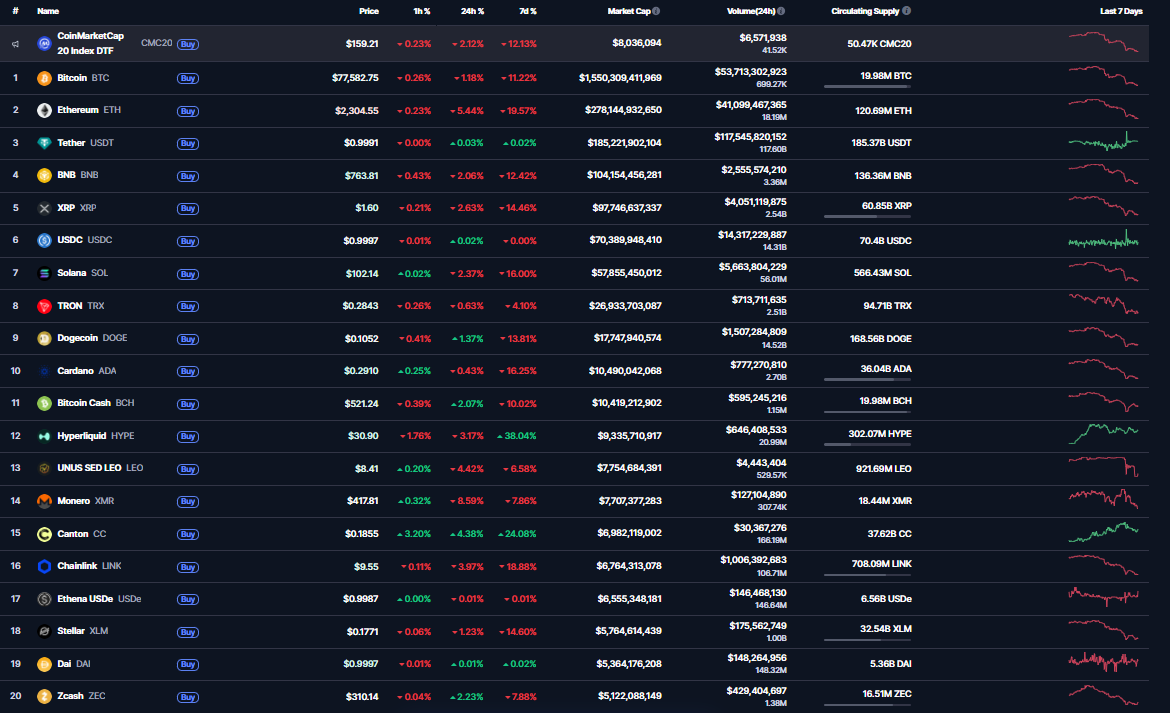
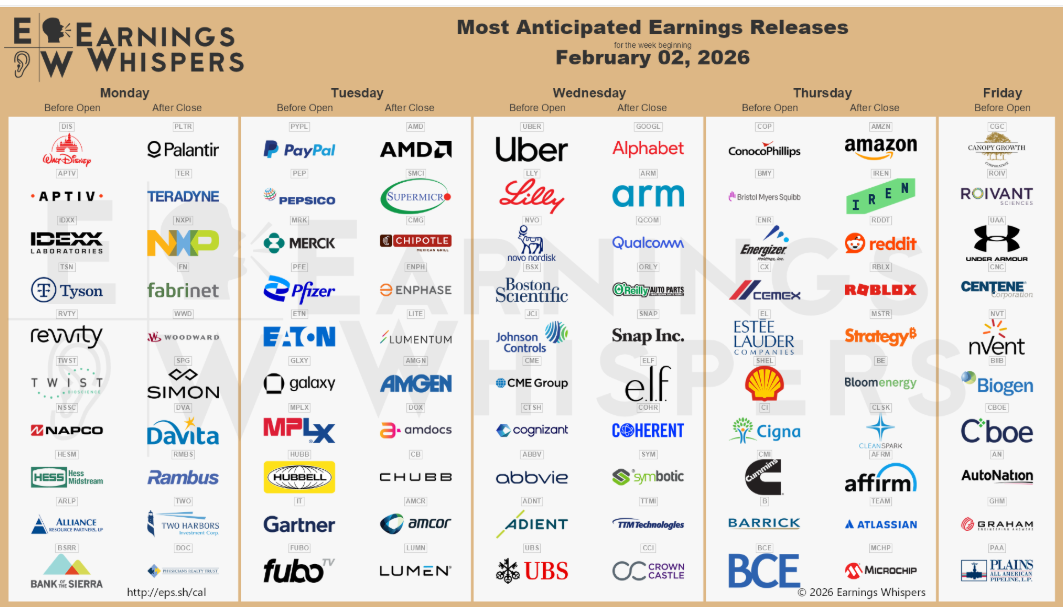
FEBRUARY 2, 2026 UPDATE BELOW BUT USE THE LINK FOR A MORE CURRENT UDPATE
https://coinmarketcap.com/





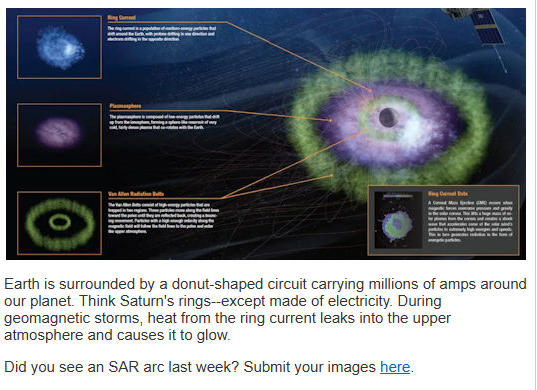


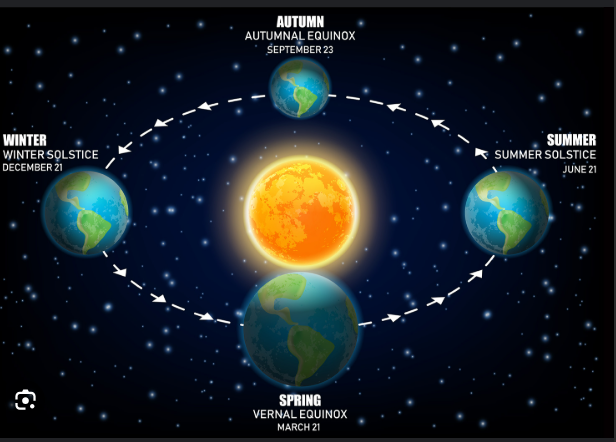
WINTER SOLSTICE IS HERE
MY CURRENT BOOK LIST:


WHO IS MARK LEIBOVIT?
MARK LEIBOVIT is Chief Market Strategist for LEIBOVIT VR NEWSLETTERS a/k/a VRTrader.Com. His technical expertise is in overall market timing and stock selection based upon his proprietary VOLUME REVERSAL (TM) methodology and Annual Forecast Model.
Mark’s extensive media television profile includes seven years as a consultant ‘Elf’ on “Louis Rukeyser’s Wall Street Week” television program, and over thirty years as a Market Monitor guest for PBS “The Nightly Business Report”. He also has appeared on Fox Business News, CNBC, BNN (Canada), and Bloomberg, and has been interviewed in Barrons, Business Week, Forbes and The Wall Street Journal and Michael Campbell’s MoneyTalks.
In the January 2, 2020 edition of TIMER DIGEST MAGAZINE, Mark Leibovit was ranked the #1 U.S. Stock Market Timer and was previously ranked #1 Intermediate U.S. Market Timer for the ten year period December, 1997 to 2007.
He was a ‘Market Maker’ on the Chicago Board Options Exchange and the Midwest Options Exchange and then went on to work in the Research department of two Chicago based brokerage firms. Mr. Leibovit now publishes a series of newsletters at www.LeibovitVRNewsletters.
Mr. Leibovit’s specialty is Volume Analysis and his proprietary Leibovit Volume Reversal Indicator is well known for forecasting accurate signals of trend direction and reversals in the equity, metals and futures markets. He has historical experience recognizing, bull and bear markets and signaling alerts prior to market crashes. His indicator is currently available on the Metastock platform.
His comprehensive study on Volume Analysis, The Trader’s Book of Volume published by McGraw-Hill is a definitive guide to volume trading. It is now also published in Chinese. Mark has appeared in speaking engagements and seminars in the U.S. and Canada.


Yes, that’s a cartoon of me. Louis Rukeyser had us dressed up in ‘elf’ costumes on the screen broadcast each week. I’ve dated myself. That occurred for me between 1988-1996. Lou didn’t like any bearish comments, so myself and other elves got dumped in 1996.
I APPEARED AS A GUEST PANELIST WITH LOUIS RUKEYSER ONE MONTH BEFORE IN MID-SEPTEMBER 1987!

SINCE JULY 21, 1979
COME ON, DAD. IT’S TIME TO EAT

DISCLAIMER:
WE ARE NOT FINANCIAL ADVISORS AND DO NOT PROVIDE FINANCIAL ADVICE
The website, LeibovitVRNewsletters.com, is published by LeibovitVRNewsletters LLC.
In using LeibovitVRnewsletters.com (a/k/a LeibovitVRNewsletters LLC) you agree to these Terms & Conditions governing the use of the service. These Terms & Conditions are subject to change without notice. We are publishers and are not registered as a broker-dealer or investment adviser either with the U.S. Securities and Exchange Commission or with any state securities authority.
All stocks and ETFs discussed are HYPOTHETICAL and not actual trades whose actual execution may differ markedly from prices posted on the website and in emails. This may be due internet connectivity, quote delays, data entry errors and other market conditions. Hypothetical or simulated performance results have certain inherent limitations as to liquidity and execution among other variables. PAST RESULTS ARE NOT NECESSARILY INDICATIVE OF FUTURE FORECASTING ACCURACY OR PROFITABLE TRADING RESULTS.
All investments are subject to risk, which should be considered on an individual basis before making any investment decision. We are not responsible for errors and omissions. These publications are intended solely for information and educational purposes only and the content within is not to be construed, under any circumstances, as an offer to buy or to sell or a solicitation to buy or sell or trade in any commodities or securities named within.
All commentary is provided for educational purposes only. This material is based upon information we consider reliable. However, accuracy is not guaranteed. Subscribers should always do their own investigation before investing in any security. Furthermore, you cannot be assured that your will profit or that any losses can or will be limited. It is important to know that no guarantee of any kind is implied nor possible where projections of future conditions in the markets are attempted.
Stocks and ETFs may be held by principals of LeibovitVRNewsletters LLC whose personal investment decisions including entry and exit points may differ from guidelines posted.
LeibovitVRNewsletters.com cannot and do not assess, verify or guarantee the suitability or profitability of any particular investment. You bear responsibility for your own investment research and decisions and should seek the advice of a qualified securities professional before making any investment. As an express condition of using this service and anytime after ending the service, you agree not to hold LeibovitVRNewsletters.com or any employees liable for trading losses, lost profits or other damages resulting from your use of information on the Site in any form (Web-based, email-based, or downloadable software), and you agree to indemnify and hold LeibovitVRNewsletters.com and its employees harmless from and against any and all claims, losses, liabilities, costs, and expenses (including but not limited to attorneys’ fees) arising from your violation of this agreement. This paragraph is not intended to limit rights available to you or to us that may be available under the federal securities laws.
For rights, permissions, subscription and customer service, contact the publisher at mark.vrtrader@gmail.com or call at 928-282-1275 or mail to 10632 N. Scottsdale Road B-426, Scottsdale, AZ 85254.
The Leibovit Volume Reversal, Volume Reversal and Leibovit VR are registered trademarks.
© Copyright 2026. All rights reserved.

[/fusion_text][/fusion_builder_column][/fusion_builder_row][/fusion_builder_container]